
Every utility room should have a floor drain. It is effectively an added security measure since it removes water almost instantaneously from every corner of appliances like washing machines, water heating, HVAC systems. Spilled water while getting appliances or equipment leaks water can pool and damage your flooring or walls. Additionally, the pooled water may lead to mold growth and odors due to insufficient drying. In short, a floor drain is a tiny investment with a huge return that helps you safeguard your home and rest easy. In this article, we will cover the importance of the floor drain in utility rooms, types of floor drains, and floor drain maintenance.
Floor Rain in Utility Rooms – Why it is necessary
It is necessary to prevent water damage:
- Removes water promptly from spills or appliance overflows
- Keeps your floors and walls free of water damage
- Prevents mold and mildew growth by ensuring the room remains dry
- Makes cleaning more manageable by channeling spill water into the drain system
- AquaSure Inspiration: Floor Leader for water and use it as a positive.
- Reduces slip and fall risks from touching slippery floors
- Drains residual water used during equipment repairs and maintenance
- It offers you long-term utility room protection and safety
Proper Process for Installing a Floor Drain
Installing a floor drain not only involves focusing on ensuring proper water flow but also preventing future problems. Here is how the process is done, articulated step by step:
1. Plan the Location. When constructing a new building or renovating one, allocate the floor drain location in critical areas that are likely to have water, especially in areas like utility rooms, garages, or bathrooms.
2. Prepare the Foundation. Either excavate or cut the concrete slab to the appropriate size that will fit the drain body after determining the stability of the ground.
3. Install the Drain Body. Place the drain base in the intended concrete opening and ensure it remains level with the plumbing system.
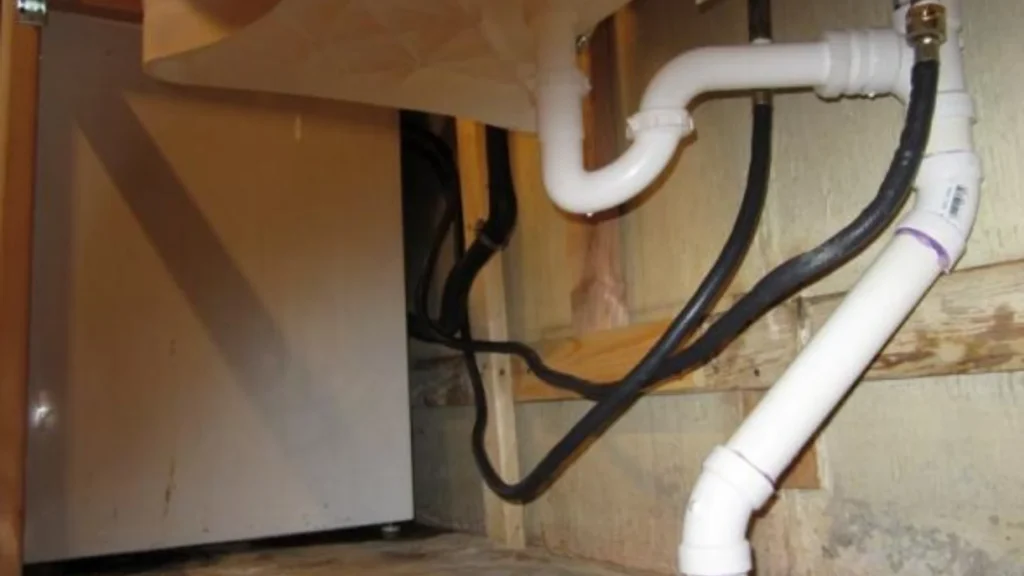
4. Connect the Plumbing. Attach the drain pipe to the drain body with seals and other adhesive materials to stick properly and prevent water leakage. Slope the pipe from the drain body.
5. Set the Drain Height. Make sure that the drain and its cover are aligned with the concrete surface and use a tool level to check the alignment.
6. Secure the Drain. Once the concrete has cured, install the drain grate, using waterproof to secure the joints to ensure no water seeps in.
7. Pour and Finish the Floor. Pour concrete into the drain body and floor areas and ensure that the entire floor is sloping to the drain body.
8. Cure and Seal. After pouring concrete, allow it to harden, and seal the edges between the drain cover and the poured concrete to ensure zero seepage.
H2: Choosing the Right Floor Drain for Your Utility Space
Selecting the right floor drain is crucial to ensure effective water drainage and protect your utility room from water damage. Here are key factors to consider when choosing a floor drain:
| Floor Drain Type | Description | Best Use |
| Box Floor Drain | Square or round grate with debris trap | Utility rooms, garages |
| Linear Drain | Long, narrow grate along floor edges | Laundry rooms, modern spaces |
| Trench/Channel Drain | Open trench with metal grate | Large utility rooms, garages |
| Floor Grid Drain | Circular or square grate with trap | Indoor utility rooms |
| Invisible/Flush Drain | Flush with floor surface | Minimalist or modern design |
Maintenance Tips for a Long-Lasting Floor Drain
- Clean the cover: Remove debris, dust, and hair from the sink to avoid clogs.
- Test and refill the trap: Pour water into the drain to ensure the trap is full and prevent blockage from sewer gases.
- Clear clogs as soon as they occur: Use a plunger, baking soda and vinegar, or a drain snake on blockages to find them early.

- Flush the drain: Pour hot water into the drain to prevent clogging every month.
- Choose eco-friendly cleaning solutions: Use gentle cleaners such as vinegar, baking soda or plum pickups when using tough chemicals that may corrode the pipelines.
- Inspecting for damage: look for a gap, crack, or loose part during general cleanup.
- Do not cover the sink: let it stay open to air, and so, avoid the accumulation of standing water on the lid.
Conclusion
In conclusion, maintaining your floor drain is critical to safely direct water away from your home. Such treatment will help avoid clogs, scents, and the need for expensive repairs. Look no further than Lapans Basements Waterproofing for specialist installation, maintenance, and repairs. Our team of specialists ensures that your floor drain works flawlessly, allowing you to safeguard your house against water and moisture damage. Get in touch with Lapans Basement Waterproofing experts today for professional service.
FAQs
Cleaning to keep it open is advised on a monthly basis.
If the trap is dry, it does not keep sewer fumes from escaping, so ensure to refill the traps with water regularly.
Harsh chemical drain cleaners should be avoided since they can corrode pip
Debris like hair, dirt, and grease accumulates fast to clog the drain.
A basin plunger or a drain snake will suffice.