
Sump Pump Installation Services in Lowell, MA
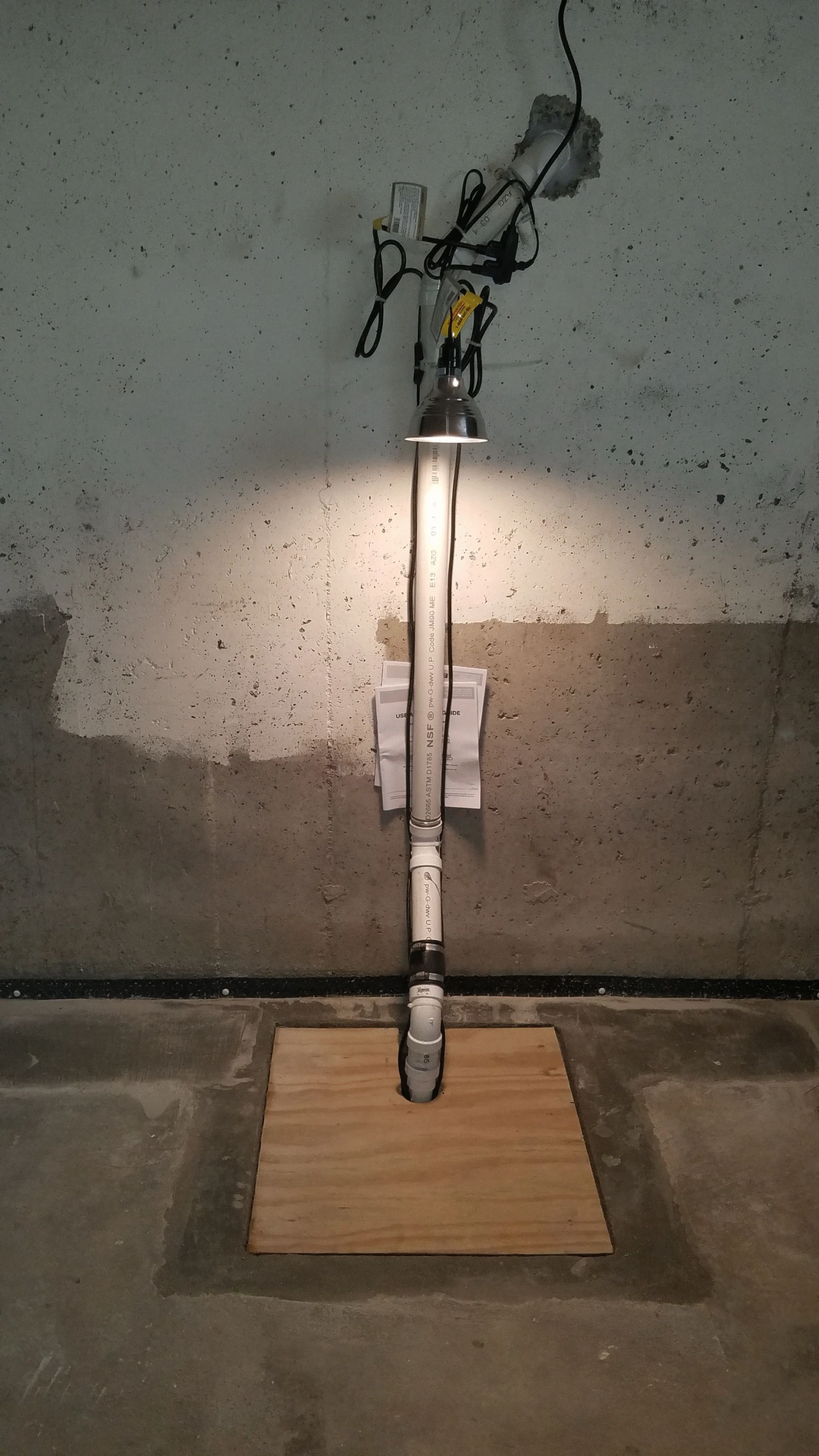
A sump pump is one of the most reliable tools for keeping groundwater out of your basement. When the water table rises after heavy rains, it builds pressure against your foundation walls and floor. Basement flooding is almost inevitable without a working pump to move that water out.
At Lapans Basement Waterproofing, we have been installing sump pump systems in Lowell and across Massachusetts and New Hampshire for over 40 years. We assess each basement individually to select the right pump for the actual water volume your home deals with. Our team installs it correctly from the sump basin to the discharge line. The goal is a reliable sump pump system that works when it needs to, especially during storms.
How to Choose the Right Sump Pump for Your Basement
Not every pump is built for every situation. Getting this decision right matters more than most homeowners realize.
Submersible vs. Pedestal Pumps
Submersible pumps sit inside the sump pit and operate underwater. They are quieter and better suited to basements where water volume is high. Pedestal pumps stand above the pit with the motor out of the water. They are easier to service and tend to last longer, but they are louder and less practical in tight spaces. For most finished basements, submersible units are the better choice.
Primary vs. Battery Backup Systems
A primary sump pump handles day-to-day groundwater management. A battery backup sump pump takes over when the power goes out, and the primary pump stops working. Battery backup pumps are particularly relevant during heavy storms that not only cause basement flooding but also knock out power. To ensure complete protection of your home, you should install both.
Pump Capacity and Water Volume
Pump capacity is rated in gallons per hour. A pump that is undersized for your water intrusion volume will cycle constantly and burn out early. This is why we size every pump to the actual drainage conditions of your basement or crawl space.
Cast Iron vs. Thermoplastic
Cast iron pumps handle heat better and last longer under heavy use. Thermoplastic models cost less upfront but wear faster in high-demand situations. For homes with persistent groundwater issues, cast iron is the more reliable long-term investment.
Float Switches, Check Valves, and Alarms
A properly functioning float switch controls when the pump activates and stops. If it sticks, the pump either runs continuously or fails to start. Check valves on the discharge pipe prevent water from flowing back into the pit after the pump stops. Alarm systems alert you to high water levels or pump failure, which is pretty useful if you don’t check your basement regularly.
Signs Your Home May Need a New Sump Pump System
A pump that is struggling will show signs of struggle before it fails completely.
Frequent basement flooding: If water is getting in despite a working pump, the unit may be undersized or positioned incorrectly.
Constant cycling: A pump that turns on and off every few minutes, even without rain, usually has a float switch problem. Another possibility is that a failed check valve is causing water to fall back into the pit.
Continuous running: If the pump never shuts off, it is either overwhelmed by groundwater volume or the float switch is stuck in the on position.
Rust or corrosion: Visible rust on the pump body or discharge line indicates age and excessive water exposure. A corroded pump is not a reliable pump anymore.
Unusual noises: If your pump does grinding or excessive vibration during operation, it points to a worn impeller or damaged motor components.
Increasing groundwater around the foundation: If your yard stays saturated longer after rain than it used to, the hydrostatic pressure on your foundation is increasing. Your existing sump pump system may no longer be adequate.
Our Sump Pump Installation Process
We start the project with a site assessment before any work begins. We look at where water enters the basement and how much volume the system needs to handle. We also analyze whether the existing sump basin is properly sized and positioned. From there, we install the pump, connect the discharge line with a properly placed check valve, and test the full system before we leave. If a battery backup sump pump makes sense for your home, we recommend it and explain exactly why.
Lapans Basement Waterproofing offers free estimates on all sump pump installation and replacement work across Lowell, Chelmsford, Andover, Billerica, and Nashua, NH. Call us at +1 508-843-6328 to schedule a visit.
Why Lowell Homeowners Trust Lapans for Sump Pump Installation
Installing a sump pump correctly takes more than dropping a unit into a pit. The basin needs to be the right size, the float switch needs to be set accurately, and the discharge line needs to route water far enough from the foundation. We have been doing this work for over 40 years, and we get every detail right.
- Battery backup systems installed alongside primary pumps
- Proper pump sizing based on real water volume
- Discharge lines routed and tested before we leave
- Free estimates with no pressure to commit
Frequently Asked Questions
Most sump pump installations run between $600 and $2,000, depending on pump type and whether a battery backup system is included. Homes that need a new sump basin excavated will fall on the higher end. We provide free estimates so you know the exact cost before any work starts.
In most states, sump pump installation does not require a licensed plumber. It is handled by a basement waterproofing contractor. What matters is that the discharge line is routed properly and the system is installed to code. Improper installation leads to pump failure and ongoing water problems.
The pump should be placed at the lowest point of the basement floor, inside a properly sized sump pit. This is where groundwater naturally collects. The discharge line should route water well away from the foundation (at least ten feet), so it does not drain back toward the house.
The check valve belongs on the vertical section of the discharge pipe, above the pump and below any horizontal run. This location prevents water from falling back into the sump pit when the pump shuts off, which reduces unnecessary cycling and extends pump life.
Most sump pumps last between seven and ten years with regular maintenance. Pumps in homes with high groundwater may need replacement sooner. If your pump is over eight years old and showing any signs of strain, it would be smart to have it inspected and replaced rather than waiting for a failure during a storm.