

Water leaking into your basement is merely irritating; it can cause significant structural issues, mold growth as well as the development of mildew. A proper drainage system in the basement can ensure that water does not get into your basement and also secure your integrity. You may have a wet basement or a high flooding problem, but one of the most effective methods of ensuring that there is no moisture in the basement is to install a drainage system to ensure that your basement remains dry and secure.
As part of this guide, we will take you through the installation of a basement drainage system. Since we know why it has to be done, through to the various kinds of systems, we will provide you with everything you need to know to make an informed choice regarding the waterproofing of your home.
Why Should You Install a Basement Drainage System?
The necessity of a drainage system in the basement is to avoid damage from water and to preserve the general well-being of your house. But what the hell do you need one? Let’s explore the key reasons:
1. Prevent Water Damage
Water damage can be considered one of the most frequent problems that a homeowner can have, including in basement areas. Water in your basement can be a result of heavy rain, melting snow, or the seepage of groundwater. Unchecked, this moisture may cause structural damage, rot, and mold growth. An effective drainage system in the basement will make sure that water does not enter your foundation and destroy your home at a high cost.
2. Protect Your Foundation
The backbone of your place of residence is the house. Leaking water in your basement may weaken the foundation in the long run and cause cracks, shifts or settlement. To prevent damage to this vital structure, the installation of a basement drainage system would add value to this structure by diverting the water to prevent it from standing on the foundation.
3. Improve Indoor Air Quality
Poor indoor air quality can also be caused by water damage in your basement. The excess moisture may lead to the presence of mold and mildew that may cause allergies and asthma symptoms. A proper drainage system will ensure your basement is dry and it will help in enhancing the quality of air within your house.
What Are the Different Types of Basement Drainage Systems?
In the case of basement drainage, a number of systems are available. The systems are not the same, but each of them operates differently to ensure that you keep your basement dry. The following are the commonest forms of basement drainage:
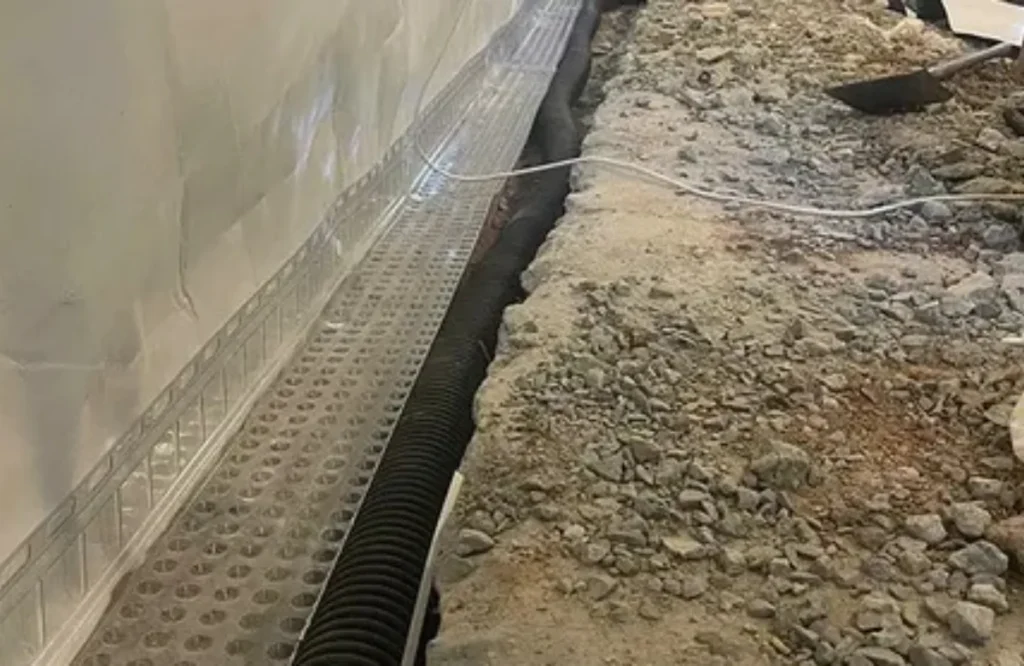
1. Interior Basement Drainage System
A French drain system or an interior basement drainage system is an installation in the perimeter of your basement floor. It gathers the seeping water through the walls and leads it to a sump pump. The water is pumped out and away at that point. The system is applicable where the groundwater is high or there is heavy rainfall.
- Pros: Simple to install, works well for collecting water on walls.
- Cons: It is not as effective when the water is flowing below the foundation.
2. Exterior Basement Drainage System
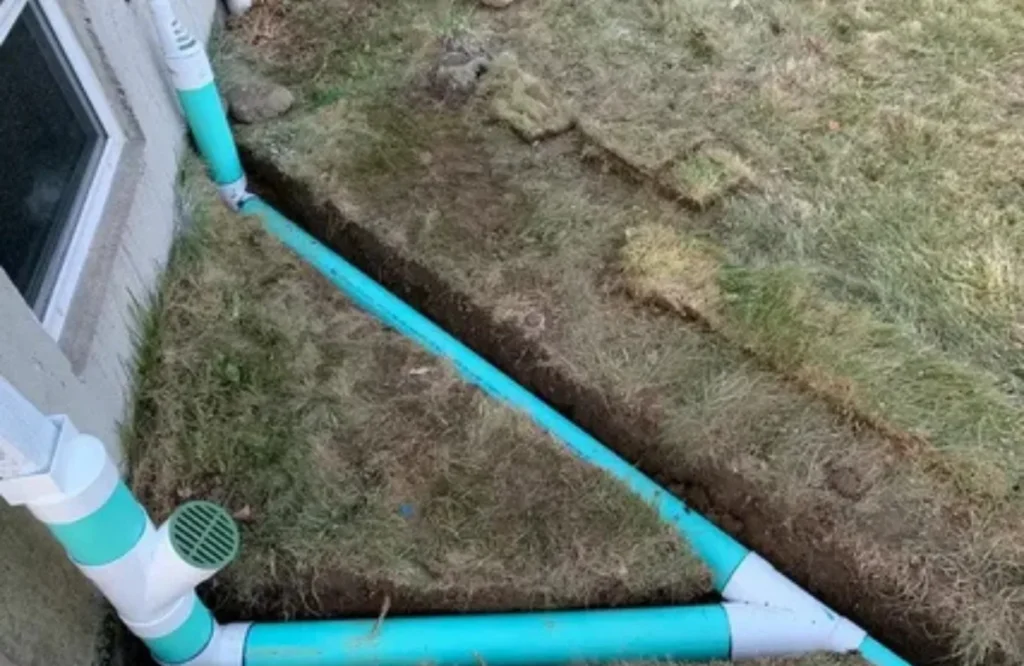
An exterior drainage system will be fitted on the outside of your house foundation. It normally entails excavation of a trench around the house border and laying of holes in the pipes to accumulate water. In this system, the water is controlled to ignore the foundation before it may creeping into the basement.
- Pros: This is an effective way of keeping the water out of the basement in the first place.
- Cons: It is more cumbersome and costly to install than other systems since it requires excavation and landscaping.
3. French Drain Basement System
A French drain is a trench that is full of gravel and contains a perforated pipe, which diverts water out of your basement. Depending on the nature of the water problem, this system can be installed inside or outside the basement. It is the best remedy for houses having water problems due to the large groundwater or low gradient around the house.
- Pros: It works very well with groundwater and surface water.
- Cons: It can be rather expensive to install and may also need frequent repairs.
4. Sump Pump System
A sump pump system is also usually applied together with other drainage systems. It gathers the water in the basement and forces it out of the foundation. A sump pump is usually installed in a sump basin (usually a pit) where the drainage system is accumulated. This system particularly works well in houses experiencing heavy flooding or a high water table.
- Pros: Dependable water drainage can be used in basements that are always subject to flooding.
- Cons: It needs electricity to work, thus it would not work during power blackouts.
5. Trench Drains
Trench drains are small pipes that are placed around the basement floors to channel the water to a sump pump or some other drainage system. The drains are good in places where water flows or pools frequently. The trench drains may be installed on the floor or near the access points, such as windows and doors, to collect water before it diffuses.
- Pros: Has the ability to deal with huge amounts of water and is easy to maintain.
- Cons: The installation can be expensive and time-consuming.
How to Install an Effective Basement Drainage System
Having discussed the kind of basement drainage systems, it is time that we examined how they are actually installed. The installation of a basement drainage system is an elaborate procedure that needs proper planning. The following is the way to install an efficient drainage system:
Step 1: Evaluate Your Basement’s Water Issues
The first thing that you will have to do before you begin to install any type of drainage system is to determine the water problems within your basement. Is it leakage of water through the walls or water that is rising through the floor? Are you in a high groundwater or a heavy rainy place? Knowledge about where the problem originated will lead you to select the appropriate system to suit you.
Step 2: Choose the Right Drainage System
Depending on your judgment, select the appropriate drainage system for your house. An interior drainage system (French drain) together with a sump pump is the best and most financially viable choice for many homeowners having small problems with water in the basement. But when you have a great water issue that is due to improper grading or large groundwater then an exterior drainage system can be required.
Step 3: Prepare Your Basement
You are going to need to clear the space around the foundation in order to install a drainage system. In the case of an interior drainage system installation, the flooring along the perimeter of the basement will have to be removed. In the case of an exterior system, you are going to be required to excavate a trench around your house base. This process may be intensive in labor, yet it has to be done to make sure that the system is efficient.
Step 4: Install the Perforated Pipes and Gravel
When you are installing a French drain, you start by excavating a trench around the inside of your basement floor. At the bottom of the trench, a layer of gravel should be placed to serve to maintain a good water flow. This is followed by laying perforated pipes over the gravel such that they are slightly inclined in the opposite direction of the foundation to force the water to flow towards the sump pump.
Step 5: Install the Sump Pump
In the case of an interior system, the sump pump is installed in the lowest portion of the basement, typically in a sump pit. Attach the perforated pipes to the sump pump, and make sure that the water flows to the pit appropriately. A pump must then be linked to a discharge pipe, which will then take the water away from your home.
Step 6: Seal the System
After all, the installation is finished, the trench can be sealed using concrete or flooring material. Ensure that all the joints are tightened to avoid leakages. In the case of exterior systems, fill in the trench with gravel and soil. Ensure that the ground falls off the foundation to allow water to flow.
Step 7: Test the System
In the drainage system, once installed, make sure that it functions well. Add water to the system and observe whether it is going to the pump and pumped off the house through the sump pump or not. Adjust according to necessity in order to perform best.
Tips for Maintaining Your Basement Drainage System
A proper drainage system in the basement should be properly maintained to guarantee it works well. The following are some of the tips that can be used to maintain your system:
- Clean the Gutters: You should clean the gutters and the downspouts of the structure and keep them free of debris. Obstructed gutters will lead to a rise of water around the base.
- Inspect the Sump Pump: It is important to check your sump pump to ensure that it is operational. This can be done by pouring a bucket of water into the pit and then making sure the pump is switched on and the water is pumped out.
- Check for Clogs: Periodically check the perforated pipes to be certain that there is no clogging or damage. Eliminate any trash that can hamper the flow of water.
- Address Grading Issues: When the slope of your yard is such that water runs to the house, it will just be washing the foundation. Ensure that the surrounding area of your home is sloping away as opposed to the structure in order to avoid pooling of water at the sides of the walls.
Conclusion
One of the most effective methods of ensuring your home is not damaged by water is to install a proper drainage system in your basement. With the appropriate system, installation procedures and regular maintenance of the system, you will be able to keep your basement dry and your foundation sound.
To explore more about basement waterproofing solutions, visit Lapans Basement Waterproofing for expert advice and services.
FAQs
The best system depends on your specific water issues. An interior French drain with a sump pump is ideal for most homes, while an exterior drainage system is better for more severe problems.
The cost can range from $1,000 to $10,000 depending on the type of system, the size of your basement, and the complexity of the installation.
While some homeowners can install a simple French drain or sump pump, most installations require professional help, especially for more complex systems.
Check your system at least once a year, clean your gutters regularly, and inspect the sump pump and pipes for any clogs or damage.
Test your system by pouring water into the drainage area and ensuring it is directed into the sump pump and pumped away from your home.