

Unfortunately, it is a frequent issue with basement flooding. Every homeowner fears it and wishes that he or she will never have to face it. Whenever floodwaters rush in, it becomes easy to get drowned in the mess and destruction. Nonetheless, that hopelessness can be transformed into a plan through knowing the most appropriate recovery steps that can be applied to a flooded basement.
From the damage examination to preventive measures, every step is necessary. But what is the best place to start the recovery? This paper dwells on that alone and seeks to give the reader insights from an expert.
Assessing the Damage
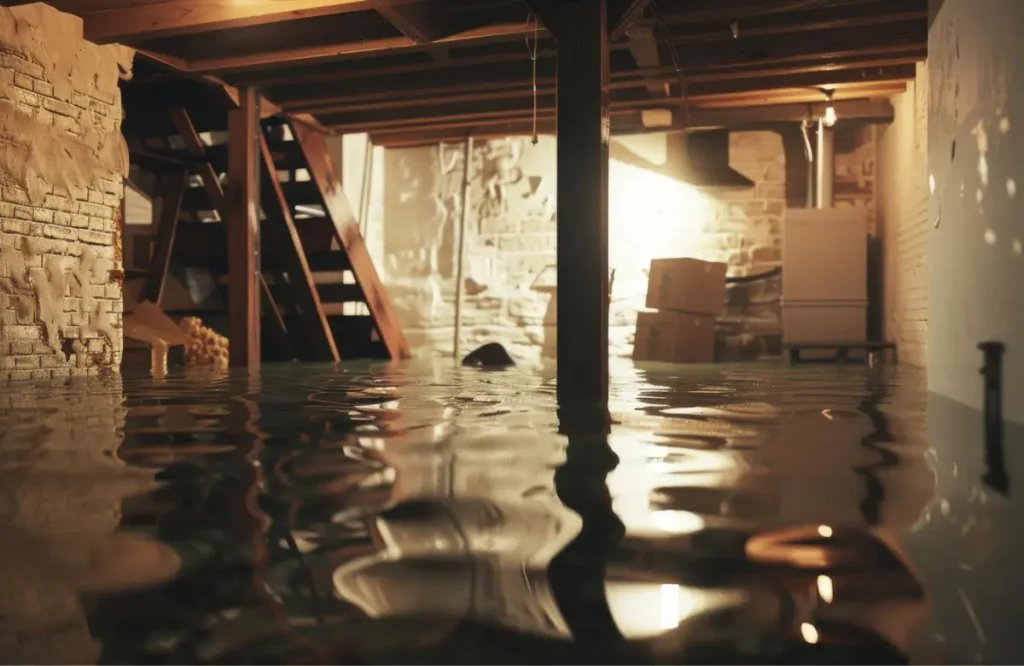
The initial action to be taken when addressing a flooded basement is to assess the damage in detail. You will desire to record everything- take flooded basement pics and make notes. Check walls, floors, and electrical systems. Such an assessment of damage is critical in determining the extent to which your home has been damaged in its structural integrity.
Check whether there is any mold or decay because it may indicate bigger problems. Buckling walls or sinking ceilings are flags that should raise an alarm. Keep in mind that you want to make sure that your home is safe and stable.
Ensuring Safety First
Your first priority before you begin any recovery operations is to take care of your own safety. To begin with, prepare yourself with the right equipment to protect yourself, such as gloves, masks, and waterproof boots. This saves you from the dangers and infections of the contaminants and other dangerous materials that are prevalent in floodwaters. Also, check that your electrical systems are off to prevent the risk of electrocution, and never approach an area that is flooded unless there is a possibility of electrical problems.
Removing Standing Water
Measure how much standing water you have, and this will identify the most appropriate way of water removal from basement. The water extraction techniques available include those that should be used depending on the circumstances. The following are some of the available pump choices:
- Submersible Pump: This pump is best used in deeper water and comes in handy in case of high volumes.
- Utility Pump: This one is small and easier to carry around as well as to use.
- Sump Pump: This is a long-term solution to ensure the water levels do not go too high or too low in case you have a sump pumps pit.
- Wet/Dry Vacuum: It is good when doing the final touches since it may be used to get off the remaining moisture.
Drying Out the Area
Once standing water is removed, it is necessary to concentrate on drying the place. You can do this by taking the moisture out using the dehumidifiers and making sure that there is adequate ventilation to facilitate the flow of air. By doing so, you will be able to avoid the development of mold and additional destruction of your basement.
Apply Dehumidifiers Properly
Dehumidifiers can be used effectively to accelerate the process of drying the area following a basement flooding. The ideal degree of humidity will be attained under proper positioning of the dehumidifiers. These are the ways to maximize their effectiveness:
- Location Proximate to Water: Locate the dehumidifier as near to the water-logged places as possible to take the moisture directly out of the source.
- Furnish the Unit: The dehumidifier should not be placed on the floor, but rather on a firm surface to promote better air movement and performance.
- Seal Off the Space: Close the windows and doors to keep external moisture out of the house to enable the dehumidifier to operate more efficiently.
- Check Frequently: Check the humidity and make adjustments as required in order to maintain a dry environment.
Surfaces Cleaning and Disinfecting
After drying your basement, it is also crucial to work on the cleaning and disinfection of surfaces to avoid the occurrence of mould and bacterial development.
Necessary Cleaning Materials
In the case of the aftermath of a basement flood, the appropriate cleaning materials are necessary to get your space in a safe and habitable environment. The following are some of the essential items:
- Heavy-duty gloves -Keep your hands clean of contaminants and rough chemicals.
- N95 respirator masks – Protect your lungs against spores of molds and dust.
- Broom and dustpan – Get mud out of your flooded floor successfully.
- Mop with disinfectant- Clean and disinfect surfaces to avoid future problems.
Efficient Disinfection Techniques
Most of the methods used in flooded basement clean up involve the use of bleach solutions that are diluted or commercial disinfectants, in which case, you need to follow what the manufacturer says to make it effective. Clean up all the surfaces properly to avoid residual contamination. High-touch areas cannot be left out either; they need more attention to be properly sanitized. Keeping disinfectants on for the required period and then either rinsing or wiping off. This precaution puts your space back to normal and provides a safer space for you and your loved ones.
Safety Precautions Needed
When cleaning and disinfecting surfaces in your flooded basement, it is also important to consider safety measures to save yourself from any threat.
- Put on Personal Protection Equipment (PPE)
- Keep an Emergency Kit Handy
- Ensure Proper Ventilation
- Electrical Hazards Check.
Inspecting for Mold Growth
Mold may grow in 24-48 hours of flooding, and therefore, it is essential to check your basement immediately. You should start by examining the mould by looking at the visible signs of mould, including discoloration of the walls or ceiling. Note sour odors, which may be the signs of concealed moulds.
In case of mold, you should be fast. In case of the extent of the problem, you might require professional mold remediation to make your space habitable. Also, keep in mind that the measures will help keep your home safe and provide a feeling of community and support during the flood recovery period.
Conclusion
Nobody would wish to deal with the issue of a flooded basement in their home, yet preparation is essential. This guide will help you navigate through such a tricky situation in a more effective way and at the same time prioritize safety. After your basement has been made dry and restored, it will be advisable that you take some preventive steps that Lapans Basement Waterproofing offers, and you will be less likely to repeat the same experience later in the future.
FAQs
Effective drainage systems and reliable waterproofing systems will work out well in terms of preventing basement flooding in the future. Maintenance and check-ups can also be done on a regular basis to keep your home dry and secure, and this is a given peace of mind.
The time taken for a basement to dry up normally requires 3 to 7 days, depending on the drying methods and extensive moisture examination. You will be interested in keeping a close watch to achieve a safe, healthy environment.
Yes, concrete floors can allow water to seep up and damage your basement.