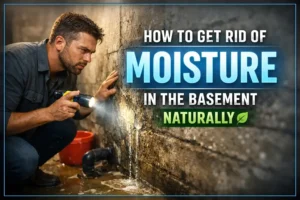

Getting water out of your basement and getting the root problems fixed is one of the most important things for securing the worth of your home and the wellness of your family. It is not only that the water in basement is nasty and smells bad, but it is also very dangerous to the value of your home. Unattended moisture in the basement may destroy floors and walls, promote mould, and even destroy roofing. In this blog, we shall reveal the usual causes why basements leak and the simple methods you can use to repair the basements.
What Causes Basement Leaks?
You need to know about the leaks in the basement to stop them. The hydrostatic pressure and the clay bowl effect are two usual causes that result in basement leaks.
Hydrostatic pressure
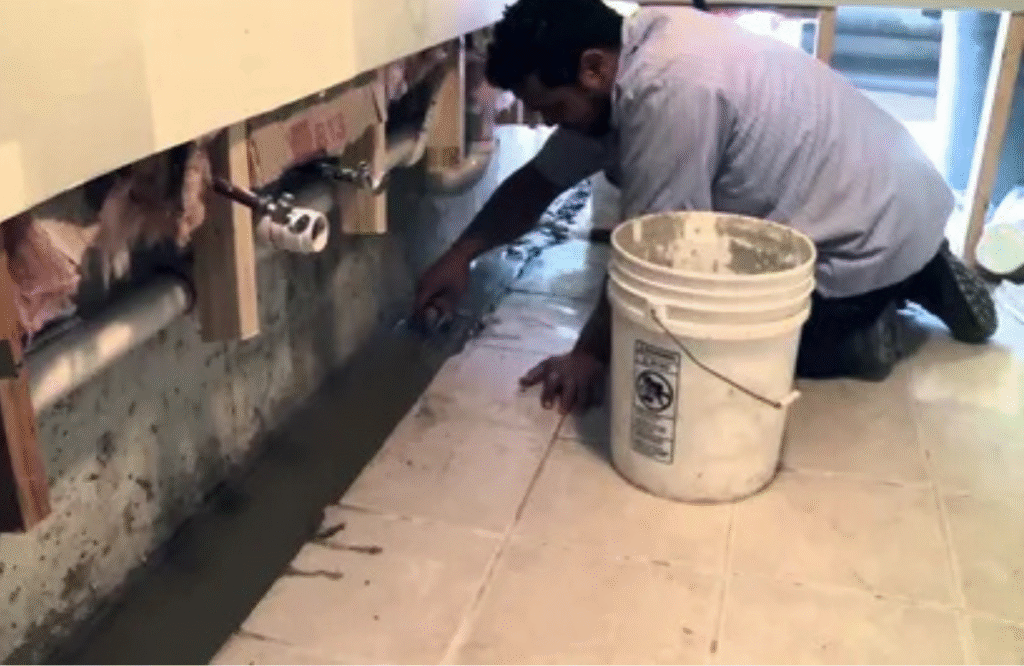
Hydrostatic pressure is one of the main causes of leaks in the basement. It is a natural force of the groundwater against the walls and floor of the basement. When the area around your house gets filled with rainwater, it puts pressure on your foundation. In the long run, such pressure may force water to seep through any available cracks or fissures in the foundation and cause leaks.
Clay bowl effect
As your house was being constructed, the construction men dug a large hole and dug out the earth. then pressed your foundation and put some of the soil back to fill in the gaps between your foundation walls and the earth.
Once the rainwater or the groundwater reaches the loose and backfilled soil, it begins to build up around your foundation. The hydrostatic pressure induced by this trapped water may be applied to the foundation walls, and thereby, resulting in leaks.
How to Identify the Source of the Leak
The first step in basement water removal is to determine how the water is getting into your basement when it is leaking. Ordinary perpetrators consist of floor joints, walls, windows and plumbing fixtures.
Basement Floor Joint
Visual indications of a leaking basement floor joint through the basement floor joints and cracks on the floor, water marks, mold, bubbling or peeling paint, and efflorescence are signs. Part of these signs may grow over a certain time as water may trickle in, but they may be more noticeable after the heavy rain.
Basement wall leaks
The other possible source of leakage is your basement walls. Even though these walls are very crucial in supporting the foundation of your home, poorly waterproofed walls may be vulnerable to the occurrence of water infiltration.
To tell whether there is a leak in a basement wall, look for visible signs of cracks along the walls, peeling paint, crumbling mortar, rust, efflorescence, etc.
Basement window flooding
The improper installation of drainage in window wells, improper foundation grading and deficient window well sealing can lead to water damage in basement.
- Poor drainage in window wells: improperly designed or unmaintained window wells may receive water in heavy rain or when the snow thaws.
- Bad grading: The poor grading around your foundation may cause rain and the melting snow to penetrate your window wells.
- Weak window well sealing: Window wells may not be sealed well between the frame and the walls, which may enable water to penetrate into the building during rainy seasons.
Symptoms of problems associated with windows are the puddles, rotting and warping of wood frames, and rust on metal window frames.
Plumbing issues
Sometimes the problem of the basement leaks can be related to plumbing, when the water heaters or washing machine hoses are broken.
- Faulty water heaters: The life span of a water heater is usually 6-12 years, but leaks in the system may lead to the appearance of a pool of water on your basement floor.
- Busted hoses of washing machines: Aging or deteriorated hoses of washing machines also cause leakages.
When that is the scenario, then you will likely observe the malfunction of appliances before much water is wasted. A plumber should be contacted in such cases.
How to Act When Your Basement is Flooded
The leaks in the basement may be irritating, yet some measures can be taken to avoid further destruction. Once the cause of the connection has been recognized, here are some of the steps that should be taken to stop further leaks prior to the next rain.
Check Gutter and Downspouts
Blocked gutters and downpipes may lead to excess water that will overflow and drop near your walls. When it is raining and you realize that your gutters are overflowing then it is likely time to vacuum them. Clean any leaves and debris to make sure that water is not going to flow into your house.
Close Cracks in The Foundation
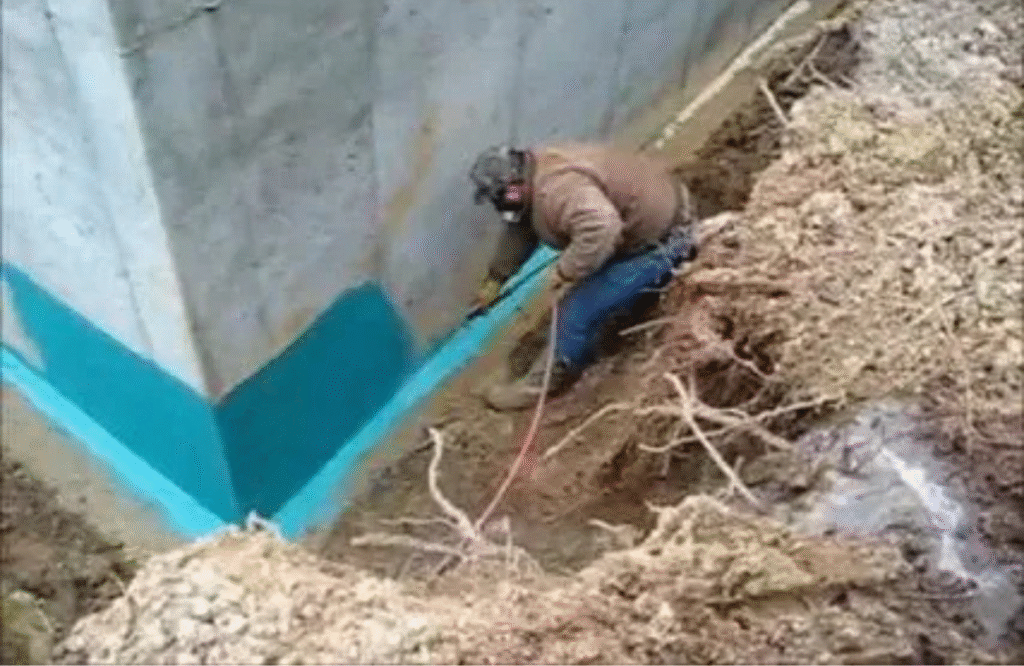
Check both the outer and inner of the foundation of your house to see whether it has cracks or gaps. A sealant for interior foundation waterproofing may be effective in case the cracks are minor. In the event that you come across a serious crack, then it would be more worthwhile to hire someone who would help seal it.
Fix Grading Issues
Ensure that the ground all around your house is sloping away from your base. Ineffective grading may lead to the formation of water close to the basement walls and the chances of leaks. To correct this, soil can be added around the foundation.
Clean Window Wells
Similar to gutters, window wells may be filled with debris that does not allow them to drain effectively. Get the leaves or any other obstructions out of the way so that the water can freely flow and drain out of the window wells.
Call a Basement Waterproofing Specialist
You may have some trouble tracking or remedying the cause of the leak yourself. In that case, it is recommended to hire an established waterproofing company, such as Lapans Basement Waterproofing. They will evaluate the instance of water damage and give relevant solutions that will ensure that the problem is addressed permanently.
Call us now to schedule a visit and get your leaking basement fixed right away.
FAQs
The lack of good exterior drainage and cracks in the foundations permit the seepage of water during rain. Slope soil away from the house, and lengthen downspouts to at least 5-10 feet.
For waterproofing cellar walls, cracks should be cleaned and then sprayed with hydraulic cement or injected with epoxy. Allow it to dry completely, and then test the water.
Use a dehumidifier to keep the humidity under 50%, particularly in condensation problems. Best results are achieved in combination with better ventilation.