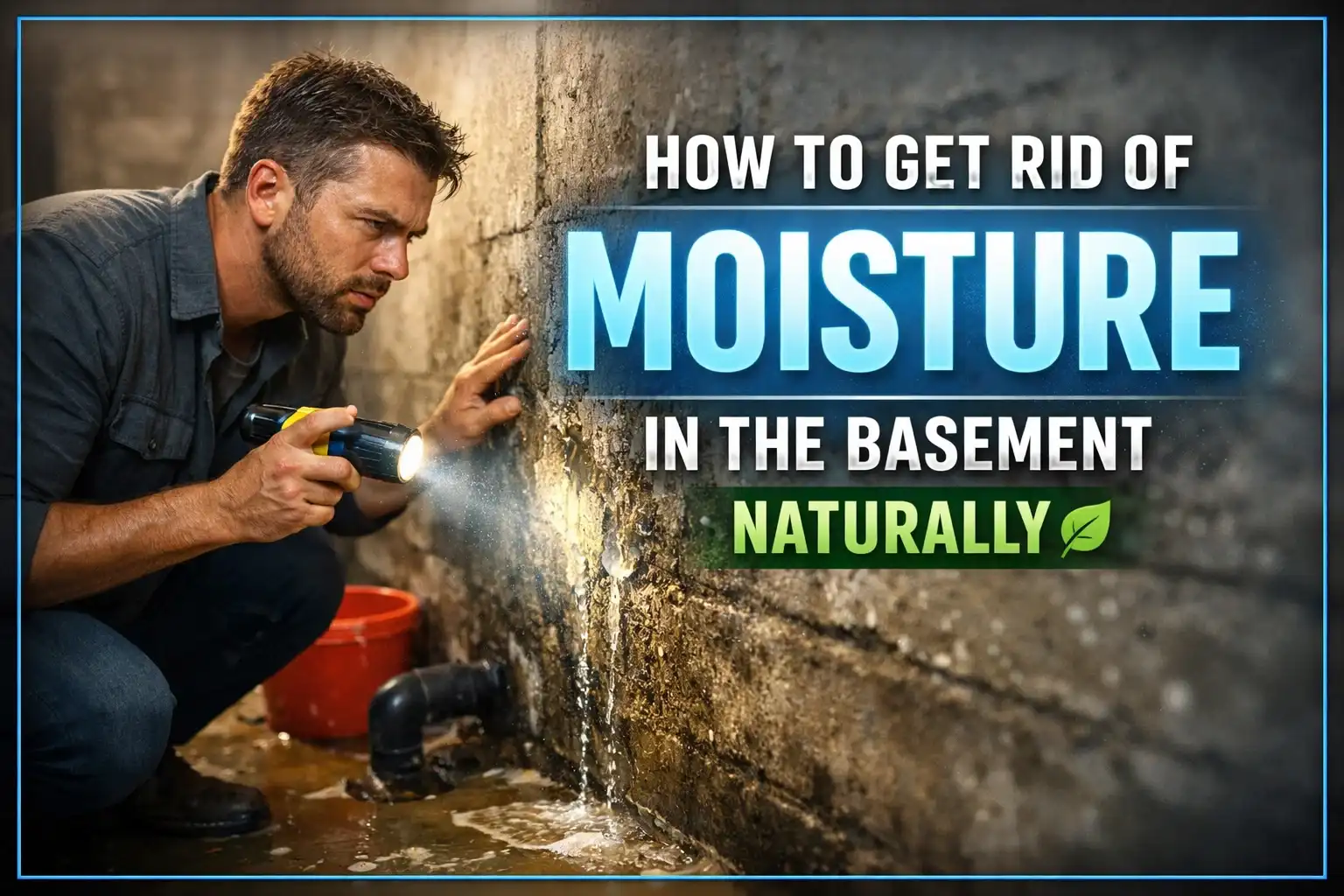
The basements may be dank and stuffy and unattractive spaces beneath your house that are not very useful, or they can be second living rooms, as cozy and clean as the other living area. It is usually a matter of humidity in basement, which exists as a natural phenomenon. You can take a lot of measures to eliminate the humidity in the basement and make the space dry. In this article, we will discuss what makes basement moisture a problem, some of the causes of moisture, and the ways of eliminating it in your basement.
What Causes Basements to be Damp
By their nature, basements are excellent candidates for humidity problems. And there are some reasons why.
- Basements are located underground and are surrounded by dirt, which is not a good conductor of heat. Due to the same reason, the basement is inherently cooler than the other parts of your house. And occasionally, some damp air from up the staircase enters your cool cellar. Once that occurs, the water vapor of the air cools and becomes water droplets. And this is why your basement may be wet, or you may see water on the walls or pipes.
- The soil surrounding your basement can also contain a lot of water, particularly when it rains or when there is melting of snow. This moisture may leak into the small crevices or into the concrete pores and contributes towards the humidity in the air.
- Electronics such as washing machines in your basement may also add to the moisture in basement. Clothes washing or a hot shower also makes a lot of steam that contributes to the increased moisture in the air.
Is a Damp Basement a Serious Issue?
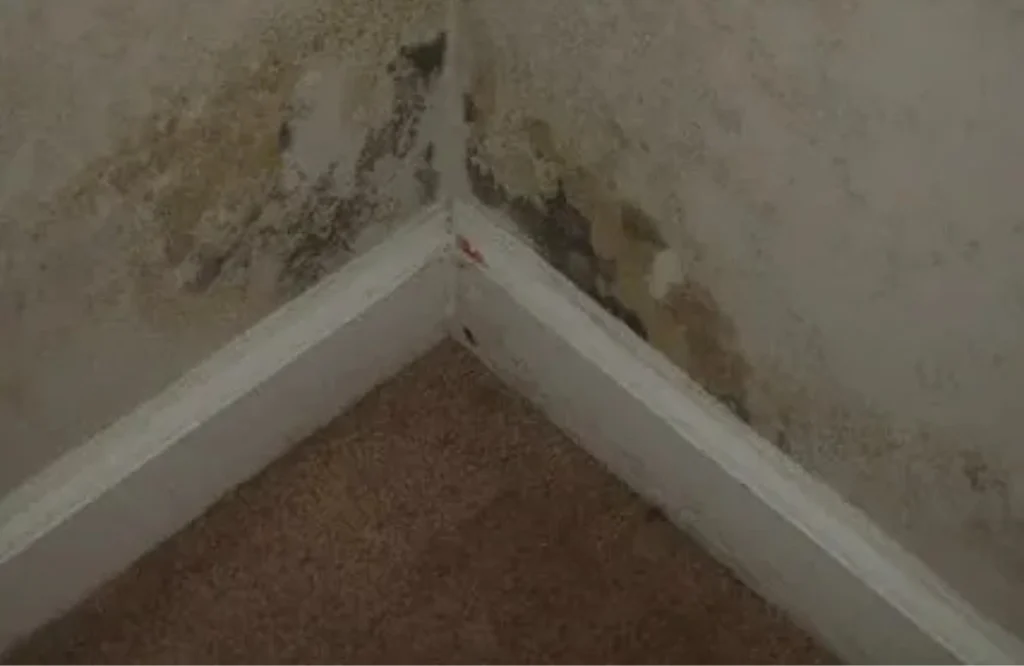
Yes, a wet basement is a grave phenomenon that may give rise to a multitude of other troubles. The moisture under the home can be harmful in the area itself, but it may also move to the upper floors, which is known as the stack effect, and eventually affect your major floors negatively, as well. The following are some of the most prevalent problems that follow as a result of humidity in the basement:
- Mold growth
- Pest infestation
- Insects that destroy wood
- Poor indoor air quality
- Increased moisture in the living area
- Increased utility bills
- Broken insulation and other construction material
- Rotting of wood and possible resulting structural problems
How to Remove Humidity in the Basement
As the problem of moisture in the basement area is so common and can be rather costly, it is best to undertake the measures required to repair the leaking basement and avoid future complications. Fortunately, you can do something to perform effective basement dehumidification to maintain it at a sufficient level of protection.
Improve Ventilation
Have you ever put the lid on a Ziploc bag and had the air trapped inside? It is more or less like that with moisture in your basement. Without a good system of ventilation, water will remain in your basement.
Ideally, you wish to have free air flowing in and out of the space. Here’s how:
- Open windows: When the weather is drier outside than in, open the basement windows (where you can) to allow fresh air in.
- Use fans: Positioning of fans can assist in air circulation and the elimination of moisture.
- Vent appliances outside: Ensure that dryers, stoves or other appliances that generate moisture vent it out and not into your basement.
- Invest in an air purifier: Air purifiers are devices that suck all the air contaminants in the air, such as dust and pollen, and filter the air to be recirculated into the room. They enhance the quality of air, decrease the growth of molds, and eliminate the symptoms of allergies.
Waterproofing and Sealing Your Basement
You can also seal your walls and floor, and this will allow you to outsmart any leaks that are the most probable offender that may bring water into your basement. To waterproof your basement, either a waterproof paint can be applied to the concrete or a vapor barrier can be placed over it. It should be mentioned that it is not a complete solution on its own and is only one of the stages of the overall process of basement waterproofing.
Insulate Pipes and Walls
One of the signs of too much moisture in house is that the dampness of the air condenses on plumbing pipes on hot and humid days and drips onto the material, resulting in water damage, besides continued humidity problems. One of the ways of decreasing this condensation is by insulating your pipes. Also, during extremely cold weather, it would be a good idea to insulate your basement walls and save electricity.
Ensure that Your Gutters Are in Proper Shape
In the event that you have no gutter system installed in your property, having a professional expert install downspouts and their extensions is a very effective method of ensuring that you keep moisture out of your basement.
For More Control, Invest in a Dehumidifier
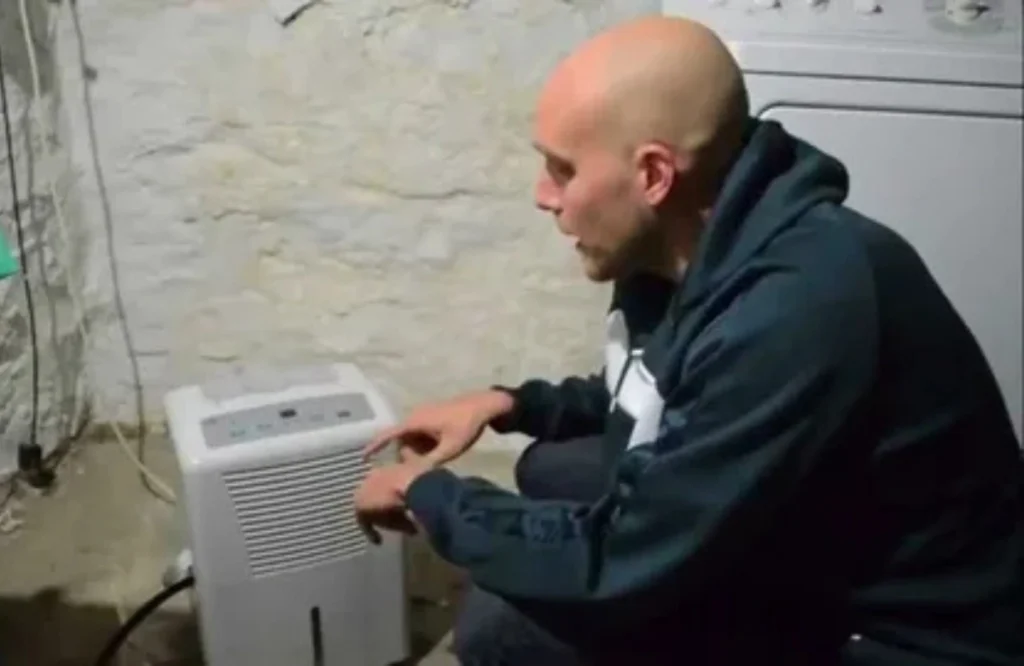
The basement is more humid compared to the other sections of the house. Even though moisture is not a big issue in the main living area of the house, a dehumidifier can still be installed for basement moisture control. We suggest putting in an auto-draining dehumidifier draining into your sump pump because you will not have to remember to fill in the tank by hand once it is full.
Seeking Professional Assistance
Lapans Basement Waterproofing is a foundation/basement contractor serving Massachusetts locals for over four decades. In case you are residing in or near Massachusetts or New Hampshire, call us now for professional help with damp basement solutions.
FAQs
Yes, in most instances, a damp basement is not good. Mold and pests can grow, and the damp air can also negatively impact the lungs.
Although one can live in a mouldy basement, it is not a good practice. Before making your basement a habitable place, you must consider eradicating moisture problems.
Not really. You can only run your humidifier when the moisture levels increase beyond 50% and then take a break when the humidity levels reduce.