

When you step into your basement and get smacked with the musty, damp odor, you are not alone in that experience. Although at first glance, high humidity is not an acute problem, the level of moisture can be dangerous to human health, including excessive mold on basement walls. This is the reason why humidity should be regulated by every homeowner. By doing this, you would save a lot of pain (and money) in the future by keeping the moisture in its place.
This article will discuss the humidity that should be the normal level in a basement, factors that lead to excessive moisture, and how to maintain it within a normal level all year round.
What Should the Humidity of a Basement Be?
The optimum percentage of humidity in the basement is between 30 and 50. Nevertheless, in climates where 20 F is seen more frequently, the humidity level in the basement should be less, about 20 percent to 25 percent. When you see water condensing on the windows, then you may reduce it even further, provided the basement is not occupied as a habitable place.
The maintenance of humidity level in your basement is highly essential, as it will help to avoid the development of molds and mildew, structural damage, and multiple health hazards. The reason is that too much moisture in the basement also contributes to poor indoor air quality, promoting mold in basement and other harmful bacteria. As a matter of fact, due to the stack effect, even the low quality of air in the basement can influence the air quality in the rest of the house.
What Causes Humidity in a Basement
You found yourself in the right place in case you are wondering what makes the basement so moist. We have drawn a list of the most frequent problems that cause humidity in closed areas such as basements.
- Poor ventilation
- Leaking pipes
- Outdoor weather conditions
- A basement that is used as a living or laundry room.
- Poorly insulated windows and poorly drained window wells.
Indications That Humidity in Your Basement is High
The following are the most prevalent symptoms indicating that the humidity levels of your basement are excessive:
- Sweltering, stuffy smells are a sign of a basement with mold.
- Condensation on windows
- The presence of water droplets on the cold surfaces, such as pipes or toilet tanks.
- The brownish spots on the walls or ceilings.
- Peeling wallpaper or paint
- Wood rot
- Pest infestations
- Visible mold growth
- Rust on metal objects
Digital hygrometers can be used to monitor the humidity in the basement. A hygrometer should be put close to the floor of the basement, and it should not be placed close to any vents to record the real reading. Your phone can be notified by smart digital models in case the levels increase.
How To Correct Basement Humidity
When storing your stuff in the basement or making it a bedroom, the levels of humidity in the basement should be kept within the recommended range to eliminate the threat of getting serious health conditions and other structural damage.
Thus, in the following section, we will explain some steps that can assist you in reducing the humidity level of your basement.
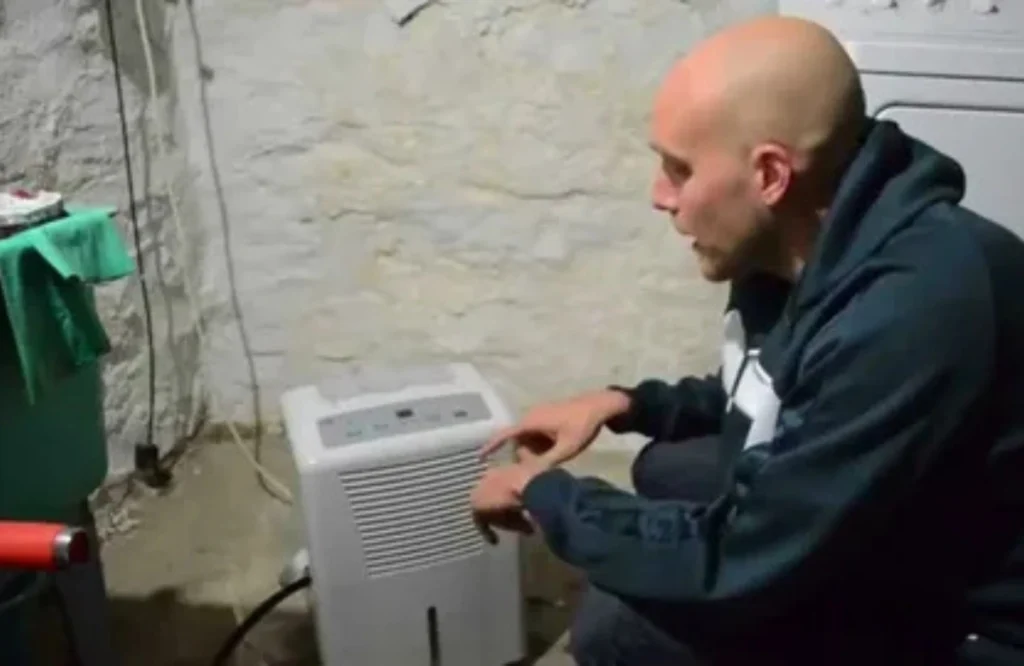
Use Dehumidifiers
The use of dehumidifiers is quite superb in controlling the level of humidity in the basement. Their action is to attract the humid air inside, filter it, and cool it to condense the water.
Seal Cracks and Gaps
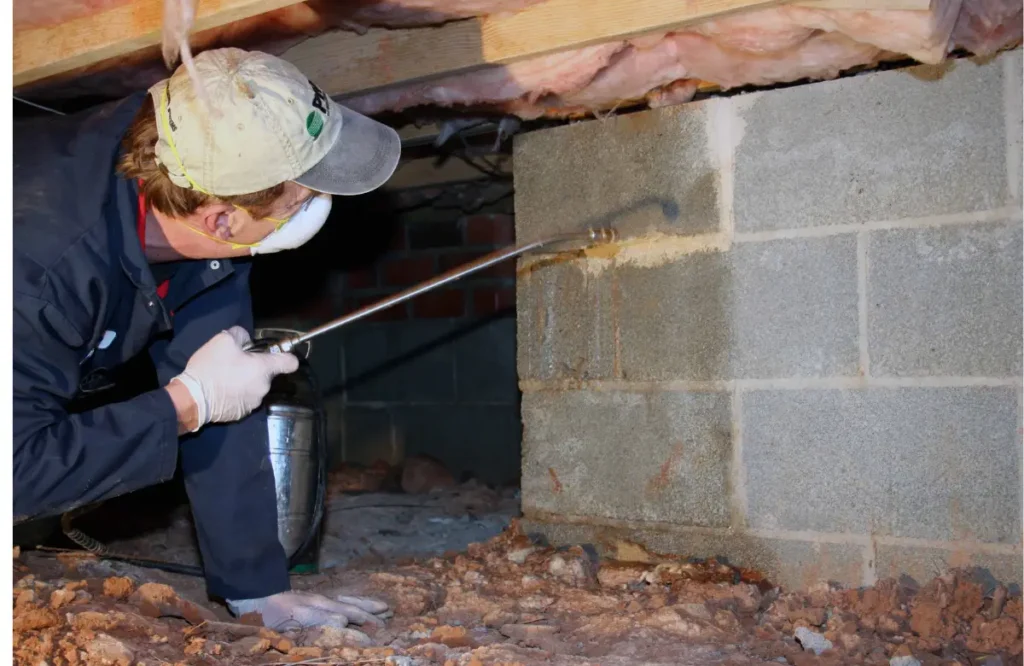
It is highly essential to carefully examine the walls of your basement and close any cracks and openings that can be seen there. In the process, you are avoiding water intrusion externally. In case you do not know how to do this, you should ask a professional.
Improve Drainage Systems
It is important to maintain a drainage system that manages the humidity of the basement. To begin with, you ought to ensure that your gutters and downspouts are well placed and maintained through regular cleaning. They are to direct water away from your home, not towards the base of it.
Replace Old Windows
When your windows are old and not well insulated, you are required to change them. Energy-efficient windows of the modern type will maintain the levels of humidity and temperature in the basement at the required level.
Fix Any Leaks
In case you think that there is something wrong in your basement, that it is too humid, and there is a leak, do not wait until it becomes more serious. It takes as little as 24 hours for mold to grow on a moist surface. Call a specialist and find the place of leakage to fix the situation.
Open Basement Windows Every Day
The first thing you can do to regulate the amount of moisture in your basement is to vent the room. Open your windows daily, without exception! Ideally, you are to open them in the morning and in the evening for at least 10-15 minutes. This will remove the humid air as it will be replaced by drier air, preventing the growth of mold on the basement walls.
But remember that external air may be damp as well, particularly when you reside in a seashore area or when there is water-loving vegetation near your basement. Here you will still need to find alternative ways of preventing the humid environment, like running a dehumidifier.
Wall Insulation to Reduce Humidity
Due to insufficient insulation of the walls, basements are usually humid. Insulation raises the surface temperatures within it, implying that moisture can not cool down and condense. This not only eliminates the surplus of moisture but also reduces your electricity bills.
Conclusion
It is necessary to remember that the recommended basement humidity is 30-50 percent with the help of a dehumidifier and effective ventilation. Test levels on a regular basis using a hygrometer and maintain your dehumidifier in excellent condition. Do not overlook the air circulation, and keep in mind to use materials that absorb humidity. Regular maintenance will ensure that there is no development of molds and make your basement dry and comfortable at any time of the year.
You think professional help is necessary? Call Lapans Basement Waterproofing today and schedule a free consultation and get to know how we can help you change your basement into a drier and healthier space.
FAQs
Humidity should not be too high in a basement (60%). The humidity of the basement should be maintained between 30 and 50 percent. Otherwise, the growth of mold will begin.
The dehumidifier in your basement should be set between 30 percent and 50 percent. This is the optimal level for a healthy environment.
The mold may certainly begin to grow with a humidity of 55 percent and prosper with a humidity that is more than 60 percent. Hence, it is preferable to maintain the humidity in the basements at a level less than 50% to avoid molds.