

Have you ever wondered why it takes so long to dry a flooded basement? There is a significant variability in the time taken to recover after a basement flood. It depends on many things. These factors are important in knowing how to correct the water damage in the basement and prevent mold.
When there is a flooded basement at hand, it takes time to dry it out. It relies on the amount of water present, the materials that get wet, and the effectiveness of the methods with which you dry out the water. The type of flooring present, such as carpet, concrete flooring, wooden flooring, etc., is also a major contributor to water in basement removal. There is a need to act quickly to prevent long-term damage and mold.
First Things to Do When Your Basement Floods
It is a shock to find out that your basement is flooded. But it is crucial to act fast. First, make sure you’re safe.
- Electrical Safety Measures: Do not get in the water unprepared to avoid the electric hazards. Make sure you can turn off the power on the main breaker. In case of doubt, enlist the services of a certified electrician.
- Ensure you have sufficient lighting so that you can move around in the flooded area.
- Flooded Basement Emergency Procedures: Within the initial 24 hours, complete the following to reduce the damage and prevent the occurrence of mold:
- Take a water pump to begin pumping out the water.
- To prevent additional water entry, determine the source of the flood and prevent it.
- Report the damage to your insurance company.
Such steps and a quick approach may minimize the damage and allow cleaning up to be safer.
Techniques for the Removal of Water
It is necessary to enhance airflow in order to dry things. This is assisted by renting out industrial fans and dehumidifiers. These machines are important in making the basements dry and preventing the growth of molds.
The following are some useful instructions on how to dry a flooded basement:
- Small quantities of water should be cleared with towels or mops.
- Use wet-dry vacuums in the case of moderate flooding.
- Turn on the gasoline water pump in large floods.
- Improve dehumidification of basements by use of rental fans and dehumidifiers.
The various floors of the basement should be treated differently. On carpeted and wood floors, wipe away the water, after which disinfecting should be done to prevent mould. Concrete floors are even more difficult but still require keen consideration not to be destroyed. Having sump pumps is an excellent method of removing water in your basement in a fast and efficient manner.
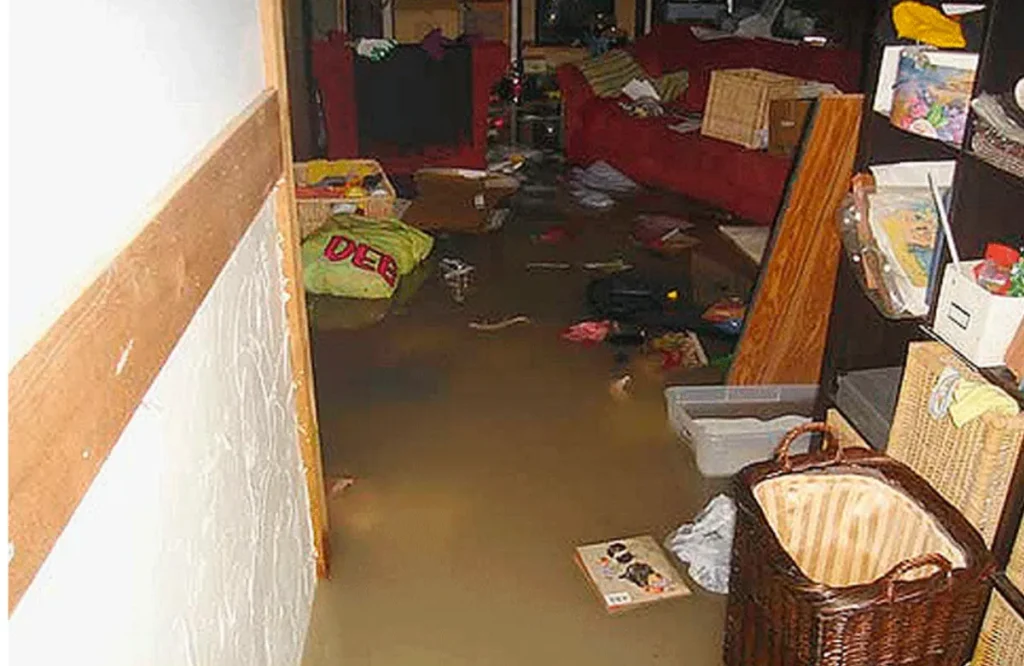
Factors Affecting Basement Drying Time
The amount of time it takes to dry a basement varies depending on a number of factors. A big flood takes longer to dry off compared to a small water leak. Water that is dirty evaporates more slowly than clean water.
- Regulating humidity in the basement with the help of dehumidifiers.
- Opening windows for air flow
It is important to prevent mold after a flood. The fast method of drying will ensure your home is safe and healthy, as no mold grows.
Accelerating the Drying Process
Speedy drying up of your basement is important in order to prevent further escalation in flooded basement and mold. The presence of numerous fans assists in the circulation of air and quicker drying of things. Moreover, a powerful dehumidifier may extract much water from the atmosphere.
Your central air may also be used to dry them out, should it be functioning and not ailing.
Attempt to make it as dry as possible in 48 hours to prevent mold. The following are some of the steps that will help to make it happen faster:
- Install more than one fan: It is better to install multiple fans where they can move the highest amount of air.
- Effective Dehumidification: Select a dehumidifier that has the capacity to remove a large amount of moisture.
- Central Air Conditioning, Run: This can be used to dehumidify the air in case you have it.
Moreover, consider using the hose with the high pressure of water to remove dampness and dirt on concrete walls. In the case of masonry walls, one can use bleach to clean the space and make it fresh.
What is the Time Taken to Dry Out The Basement?
Drying of a basement may require upto six weeks. The nature of flooring used, such as carpet, wood, or concrete influences the drying techniques and duration. Every material requires slightly different treatments to have a complete dry.
The time it takes to dry is also influenced by humidity as well as air flow. Dehumidifiers and air movers are the items used by experts to assist in drying out the basement. Professional assistance may make the drying process more comprehensive and speedy to ensure your house is safe.
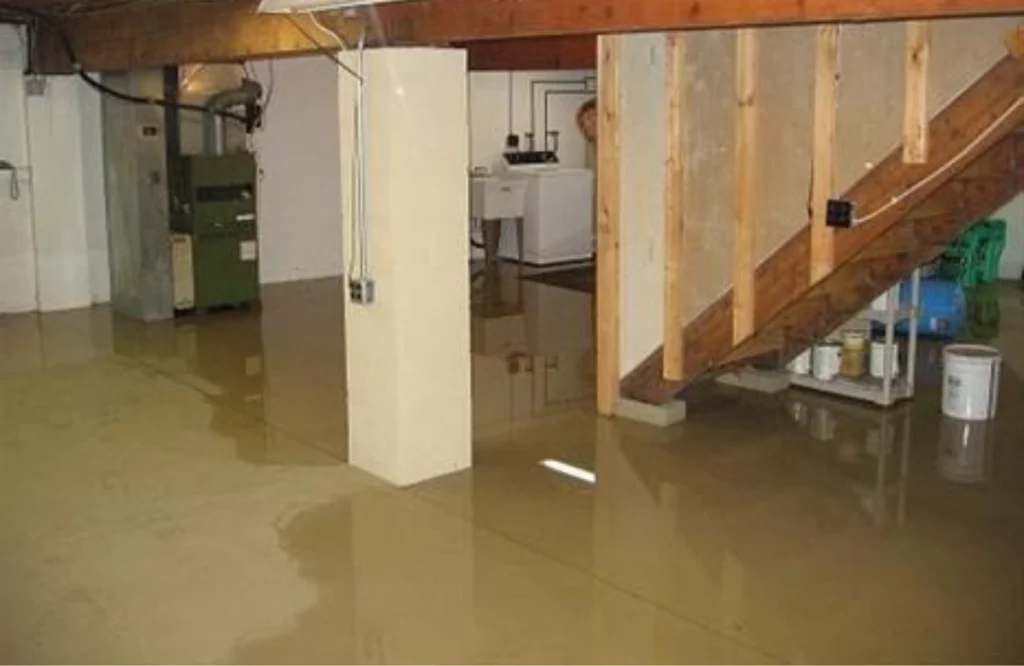
Suggestions For The Types of Basement Floors
It is important to apply flooring-specific drying after a basement flood. This guarantees the fast recuperation and prevents chronic harm.
- Carpeting Floors: Begin by removing wet padding beneath the carpet. Thereafter, lift the carpet or conceal it to dry it up. This helps dry it faster.
- Hardwood Floors: Clean and sanitize hardwood floors to prevent mould as well as eliminate foul odors. This helps to make your basement good again.
- Concrete Floors: Concrete floors should be allowed to dry thoroughly so that they do not form cracks or bonding issues. Fans should be used to hasten the drying process so that the concrete remains firm and capable of whatever happens.
Conclusion
It is important to know the time for water in basement removal. The drying time is influenced by factors such as humidity, temperature, and the amount of water that got into the mixture. This information can be used in discovering the most appropriate methods of repairing the damage and ensuring that your house is secure. Fans and dehumidifiers will assist in drying the area more quickly and preventing the development of molds and destruction.
Contact Lapns Basement Waterproofing now if you are faced with a flooded basement situation and are thinking of letting the professionals do the job.
FAQs
The light flooding is normally dry in up to 24-48 hours, depending on the amount of water in the scenario and the materials affected. While the severe cases may take up to 3-14 days, depending on the amount of water. The use of professional tools such as dehumidifiers and air movers accelerates the process to a great extent.
The severity of the flood, the type of water (clean or contaminated), and the types of material impacted by the flood are important. The timelines may be cut to a few days instead of weeks using an industrial drying apparatus and immediate water extraction.
Natural drying is not very effective and may encourage molds; it can take many weeks and may still withhold the moisture that can be present in the walls and floors. Professionals implement special monitoring to make sure they are fully dry.