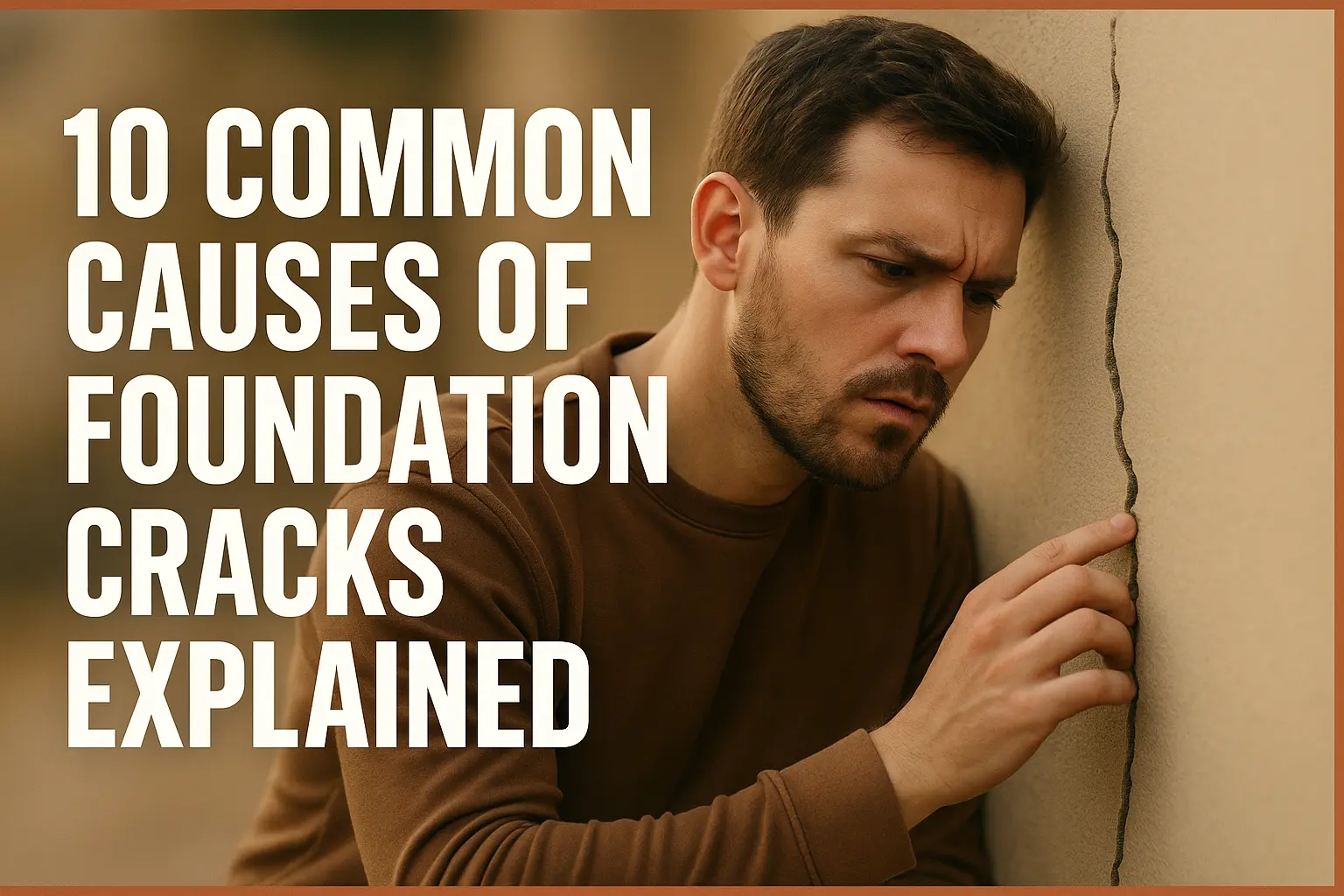
Foundational cracks may be a significant problem for the house owner. It is disturbing when you find a crack in the wall of your basement or a crack in your house foundation. These cracks are not only capable of impacting the structure of your home, but can also cause water damage, loss of energy and even mould. The first step in preventing and remedying foundation cracks before they become a larger issue is to understand the general causes of the cracks.
This post is going to enter the world of the 10 most popular causes of foundation cracks. It will be a guide on whether you are finding cracks in the wall of your basement and or you are experiencing more serious foundation problems, you will know what is happening and what you can do about it.
Why Do Foundation Cracks Happen?
The cracks in the foundations do not manifest in most cases overnight and in most cases, they are a combination of factors. Whereas there are some cracks which are minor and are merely cosmetic, there are some that indicate a far more serious issue. The most common foundation problems are brought about by mobile soil, improper construction methods, and fluctuations in moisture in the surrounding area of your house. Let us delve into the primary causes of foundation cracks.
1. Soil Movement and Settlement
The soil beneath your foundation is a great determinant of the presence of cracks or not. Due to the change of moisture, temperature, and weight, soil may shrink, swell, or settle. Such movement places pressure on the foundation, and it may lead to the appearance of cracks. As an example, when your soils are dry, there is a possibility of them shrinking and leaving spaces under your foundation, which will result in sinking or cracking of the foundation. In the same way, soil may swell when it gets wet due to rain or snow and hence forcing the foundation to rise and form cracks.
2. Water Damage
Your foundation has both friends and foes. Although soil needs to have its structure, too much water may cause serious problems. Water may accumulate near your foundation because of inadequate drainage of the area or a faulty gutter system. When such occurs, the water will percolate into the soil and create pressure on the walls of your foundation, which may cause cracks. The water can expand and cause even greater damage, in case it freezes. In the long run, this continuous pressure may form cracks in your foundation and basement walls.
3. Poor Drainage and Grading
Unless you have good drainage systems, or your yard is not sloping to the house, then the water is bound to accumulate around your foundation. Preferably, the soil surrounding your foundation must slope away from the house to drain off the water. Bad grading or improper gutters may lead to a pool of water along your foundation that will wash the soil and put more pressure on your foundation. This continuous strain may cause cracking, especially on features such as your basement walls.
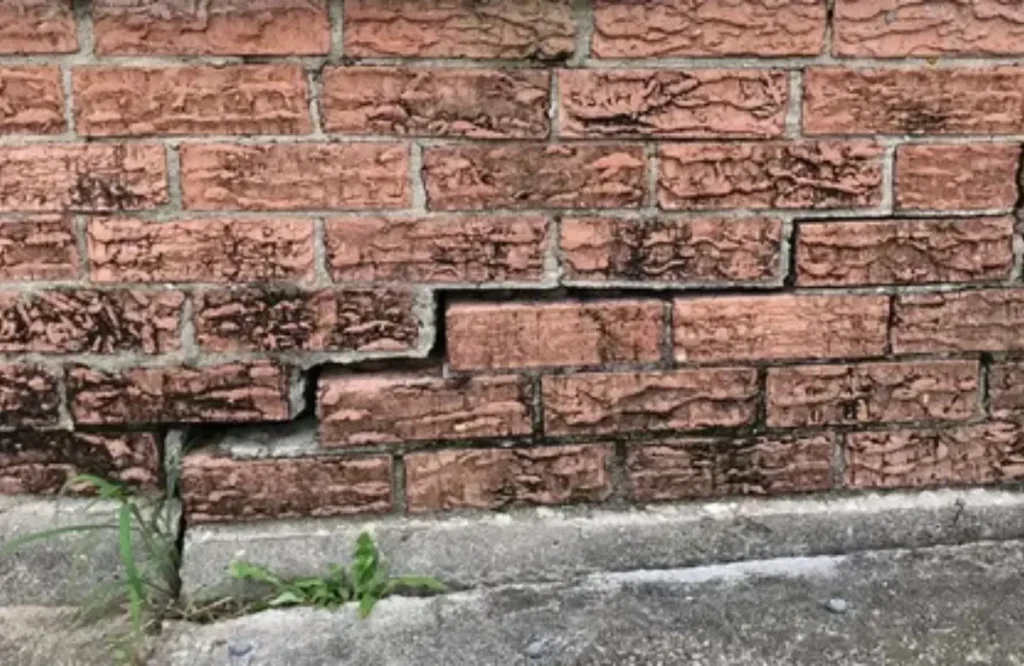
What Are the Most Common Causes of Foundation Cracks?
It is time to find out the 10 most common reasons why foundation cracks occur, now that we know the reasons behind their occurrence. These reasons may be natural, like soil movement and may include matters concerning bad house building. Here’s a breakdown of each one.
1. Expansive Clay Soils
There are also some kinds of soil, particularly expansive clay soils, that are more liable to volume variations upon being subjected to the influence of water. This makes the soil shrink and swell according to the availability of moisture. When the soil is in motion, it has the ability to slide the foundation, resulting in cracks on the walls or floors in your basement or foundation. It is the houses that are built on large clay soils that can have foundation cracks.
2. Foundation Settling
The settlement of the foundation of a house is experienced when the house is initially constructed, and the weight of the structure squashes soil beneath the foundation. A certain amount of settlement is acceptable, but excessive settlement of the foundation may result in cracks on the basement walls and floors. This is mostly frequent in new houses, whereby the soil adapts to the weight of the house.
3. Tree Roots
Planting of large trees near the house may lead to foundation issues. The roots of the trees may become deep and broad and they may stretch to the place below your foundation. The roots can create cracks by exerting pressure on the foundation as they continue to grow. Also, tree roots are capable of drawing moisture out of the soil, making it dry and move, thus leading to foundation cracks as well.
4. Vibrations from Heavy Machinery or Traffic
Movement under your foundation can be caused by vibrations due to nearby construction activities, traffic or heavy machinery. In the long term, these vibrations may make the soil loose and form cracks. In case your house is located beside a high-traffic road or around a construction site, vibrations may also be one of the causes of cracks in your foundation.
5. Plumbing Leaks
A concealed plumbing leak underneath the foundation may saturate the soil near the leak with water. This surplus water might cause the soil to move and this will, in effect, produce cracks in your foundation. In many cases, plumbing leaks can go unnoticed until they cause damage to be perpetrated and this is why it is good to inspect your foundation to check whether there are any cracks or water damage.
6. Concrete Shrinkage
As concrete cures and hardens, it naturally shrinks. This contraction has the potential of producing small cracks, particularly when the foundation was not cast well or when the concrete mixture was not the best. Although these cracks are not always critical, they might still permit water to trickle into the basement, creating even more problems.
7. Extreme Weather Changes
Other causes of the cracks in the foundation include extreme weather like freezing of temperatures during winter or extended droughts during summer. When the temperatures are at freezing point, the moisture in the soil is forced to swell and when the temperatures rise, the soil shrinks. This up-and-down movement places pressure on the foundation at all times, which may cause cracks.
8. Improperly Designed or Built Foundations
In other instances, the cracks in the foundation are merely a consequence of bad workmanship. The foundation may start to crack earlier than anticipated in case the foundation was not made up to manage the type of soil or climate in the region. The foundation issues can be caused by poor reinforcement, materials or incorrect construction techniques.
9. Settling of Nearby Structures
Depending on the surroundings of your home, when new buildings or infrastructure are erected, the foundation may settle or move due to the weight of the new constructions. This is especially worrying for old houses that were probably not constructed to withstand the weight and the vibrations created by the surrounding developments.
10. Corrosion of Foundation Materials
In the long run, the materials that are used to construct your base may become weak in case they are exposed to moisture. Metal reinforcements may also corrode, making the foundation weak, leading to the formation of cracks. On the same note, the cracks might accumulate on the older foundation constructed by porous materials as the foundation loses its structural integrity.
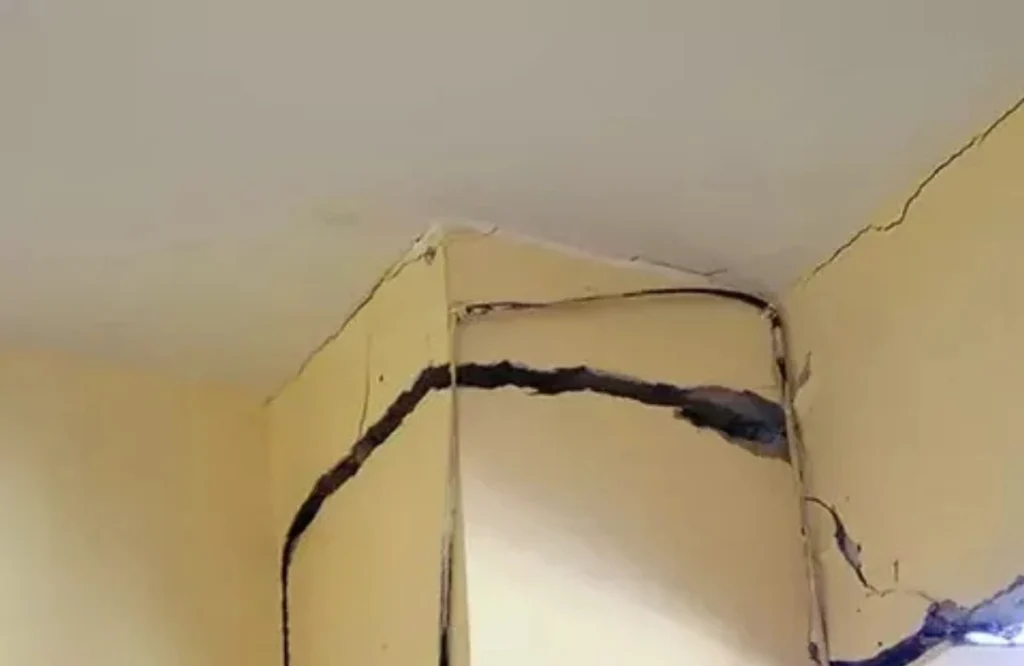
Tips for Preventing and Repairing Foundation Cracks
It is much more trouble to prevent foundation cracks than to cure them. To maintain a healthy foundation, here are some helpful tips:
- Maintain Proper Drainage: Make sure that your gutters are clear and are draining out water and not towards your foundation. When there is always wet soil surrounding your foundation, this may affect the structure, as it can cause cracks.
- Install a French Drain: A French drain may be used to move water away afflicted your home and avoid having the water accumulate around your foundation.
- Monitor for Plumbing Leaks: Check your plumbing on a regular basis to see whether there are any leaks, particularly in a basement. Leakage of water can cause a weak foundation.
- Reslope Your Yard: It is important to make sure that the soil surrounding your foundation slopes away from the house to avoid the accumulation of water around your walls.
- Get Regular Inspections: Have a professional inspect your foundation every few years. Early detection of small cracks can prevent larger, more expensive repairs.
Conclusion
The appearance of foundation cracks may not appear to be a big problem at all, but it can cause major structural problems in a short period of time. Learning the general causes of the foundation cracks, like soil movements, water damage, and even poor construction, you can take the right steps to prevent the cracks or handle them during the initial stage. Consistent upkeep, inspection as well and repairing of your house would assist in safeguarding your house and maintaining your foundation over many years.
To explore more foundation repair solutions, visit Lapans Basement Waterproofing for expert advice and services.
FAQs
A crack in the basement wall can be caused by soil movement, water pressure, or settling of the foundation. Excess moisture can also contribute to cracks in the walls.
Some cracks are minor and cosmetic, but large or growing cracks can indicate serious structural problems. It’s best to consult a professional if you notice significant cracks.
Yes, foundation cracks can often be repaired with methods like epoxy injection or carbon fibre straps. The appropriate method depends on the severity of the crack.
If the crack is wide, growing, or accompanied by other signs like sloping floors or doors that don’t close properly, it’s important to have it evaluated by a professional.
Maintaining proper drainage around your home and addressing plumbing issues quickly can help prevent foundation cracks. Regular inspections are also important for early detection.