A strong foundation is the cornerstone of any safe and durable house. Unfortunately, even the most sturdy of foundations gradually develops tiny hairline cracks. Although initially inconspicuous, such thin cracks can cause severe damage due to moisture and spread, exposing homeowners to high maintenance expenses. Therefore, recognizing hairline cracks in the foundation early and seeking proper solutions is a task for every homeowner. This guide will provide you with the necessary insight into what cracks look like, their causes, and the best way to deal with them.
Identifying Hairline Cracks in Your Foundation
Hairline cracks are tiny little cracks that are generally less than 1/16 of an inch in width. They are thin lines that can be seen on the surface of your foundation’s walls or floors. These cracks appear as a result of normal settling, concrete curing, during which shrinkage occurs, or minor temperature shifts.
How to Spot Hairline Cracks
When you’re inspecting your foundation with adequate lighting, narrow and shallow cracks may be found. You may use a ruler, a pencil, or tape measure to examine the crack. Cracks less than 1/8 inch are often described as hairline cracks.
Crack Patterns and What They Mean
- Vertical Cracks: hardly ever dangerous and frequently linked to natural home settling.
- Diagonal or stair-step cracks: may indicate uneven foundation movement and often just require observation.
- Horizontal Cracks: frequently signal to severe structural issues or strain and necessitate professional contact.
Monitoring Hairline Cracks
This may appear self-evident, but it’s not enough to simply notice the existence of a crack. Instead, keep tabs on any cracks to determine if they are getting bigger or longer. This means that the vertical or horizontal cracks remain constant in size. Furthermore, pay attention to any indications of wetness or fluid—that even the smallest hairline may allow moisture in if growing fissures lead to substantial problems.
Repairing Hairline Cracks in Your Foundation
Depending on the damage’s severity, repairing hairline cracks can be accomplished with simple do-it-yourself solutions.
DIY Repair Methods
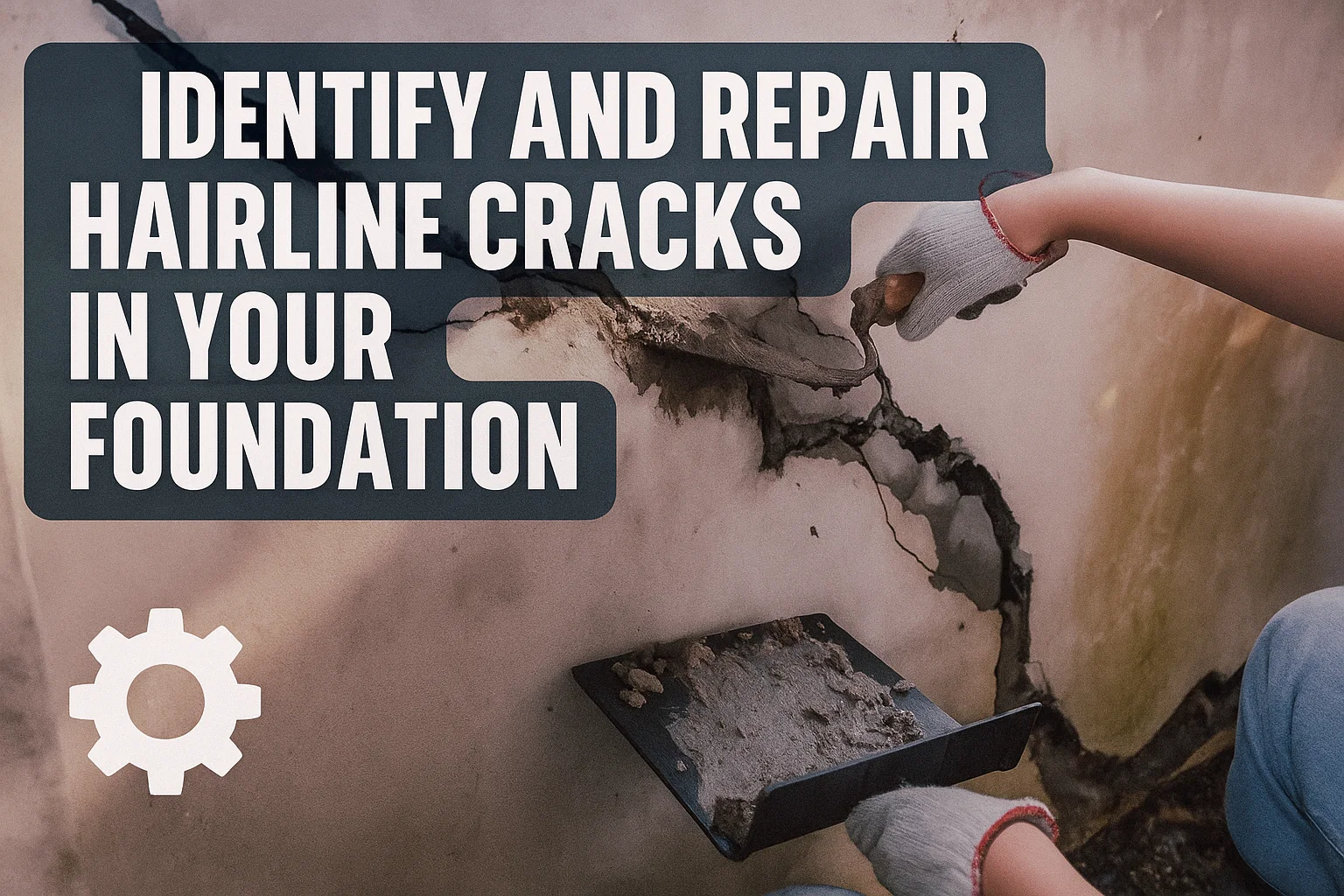
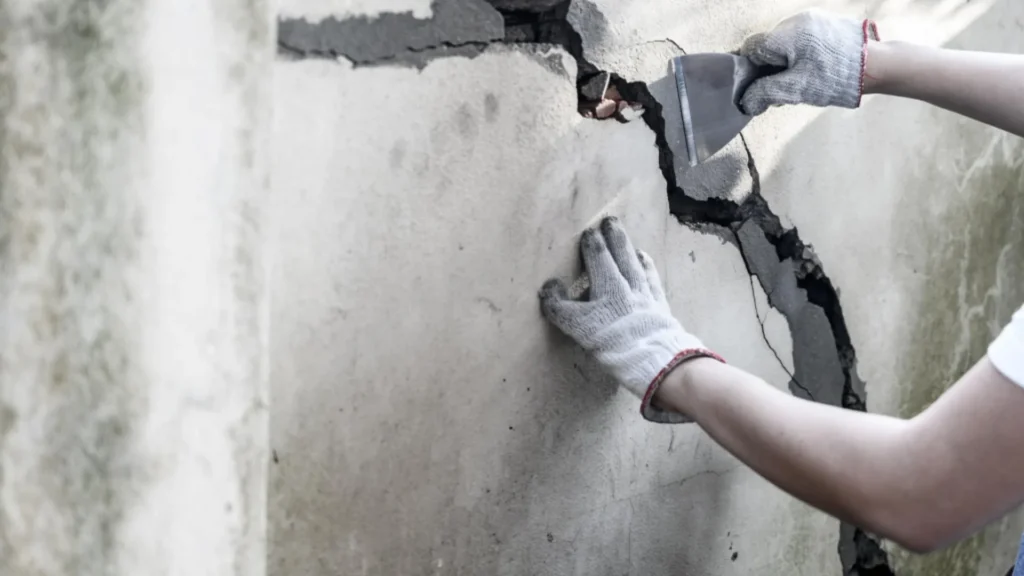
Clean the Crack: Prior to filling or patching the crack, clean the crack thoroughly. Ensure to remove all debris, dirt, and any loose particles. Use a wire brush or a vacuum to clean the crack’s surface.
Apply Concrete Crack Filler or Patching Compound: Purchase a concrete crack filler or patching compound suitable for narrow cracks. Apply the material into the crack using a caulking gun or a putty knife. Press hard to ensure the crack fills completely before smoothing the surface to form a uniform finish with the putty knife.
Seal the Crack: After the patching compound dries, use a concrete sealer to cover the repaired area to prevent moisture from penetrating the surface and causing additional damage.
Professional Repair Options
For more permanent, structurally sound repairs, especially for the large or recurring cracks, it is recommended to use professional epoxy injections. Professional epoxy injection is a technique applied by injecting a high-strength epoxy resin deep into the crack, bonding and waterproofing the foundation. This repair method perfectly restores the integrity of the foundation structural and is known to serve for an extended period than the DIY surface patching.
When to Contact a Professional
- Cracks wider than 1/4 inch
- Cracks using signs of motion, getting wide
- Water passing through the cracks
- Horizontal or stair-step crack, which is indicators of more profound issues
Professional contractors use specialized tools and materials for stronger and long-lasting repairs, and they can also diagnose the root foundation problem.
When to Get Professional Help
Some hairline cracks demand expert attention. If the crack becomes larger than hairline width or loses its shape, it requires prompt professional inspection. Subsidence or lateral shifts occur, accompanied by other damage such as bowing, tipping, or water leakage.
Preventing Hairline Cracks in Your Foundation
Several strategies may be used to prevent hairline cracks from developing or worsening and preserve the structural integrity of your home while preventing water damage. Here are a few methods for effective prevention:
Proper Drainage around Your Home
Water pooling near the foundation is a frequent source for cracks. Make sure the soil around your home is sloped away from the foundation so that runoff water is safely diverted away. Replace gutters and drain valves to direct runoff spouts to several feet away from the house and minimal pooling at the foundation.
Maintain Appropriate Soil Moisture
Soil that is too dry or too wet can cause foundation movement as the soil swells and shrinks. Except during drought periods, water the soil around your foundation to keep it consistently moist but not overly watered. Soaker tubes help maintain better moisture without saturating the soil.
Remove Big Trees and Shrubs from the Foundation
The roots of large trees or shrubs absorb moisture unevenly and disturb the soil, increasing the probability of cracks appearing. Plant trees and utilize large plants many feet away from your walls to avoid this issue.
High-Quality Building Materials and Proper Construction Techniques
To mitigate shrinkage and shifting cracks during the setting period, compact the soil before encasement type, utilize a solid mix, and cure the cement mix properly.
Waterproof and Secure Your Foundation Walls
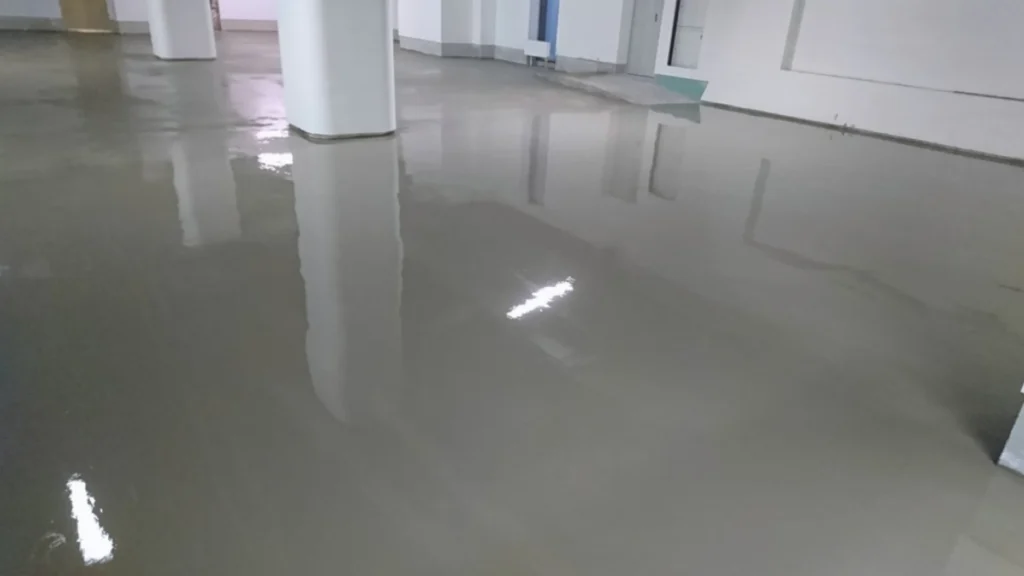
Waterproof the seals and install drains to reduce moisture penetration and soil pressure, two contributing factors to hairline cracks.
Regular inspection and repairs
Inspect your walls on a regular basis for new fractures or variations in existing cracks. Keep a record with photographs to keep track of any traceability evidence.
Conclusion
Hairline cracks can impact the safety of your home if they are not prevented from occurring. Performing regular checks on your foundation helps you spot problems fast. Good drainage, watering holes in the ground uniformly, and avoiding large trees help you avoid the cracks. Ensuring that you fix the small cracks in your foundation before they become more significant. If the cracks appear or get worse, you should contact a professional as soon as possible. Ensure that you receive expert waterproofing from Lapans Basements Waterproofing to prevent water damage to your home and further cracks. Contact us for a free inspection.
FAQs
Are all hairline cracks bad?
Many of them are not and are caused by settling, but larger ones or newer ones need a closer look.
What causes hairline cracks?
Drying, temperature shifts, or slight shifts in the soil cause them.
How do I stop them from happening?
Keep gutters clear, clear away water, water the soil uniformly, and threaten the foundation frequently.
Can I fix them myself?
Sealing or repairing small cracks ourselves is possible. However, you may need a specialist if they are massive cracks.
How often should I look at the foundation?
Keep a check on your foundation twice a year and after a season of heavy rainfall or drought.
When should I contact a professional?
If the crack is greater than 1/4 inch which appears to move.