
Leaking Basement Crack Repair in Lowell, MA
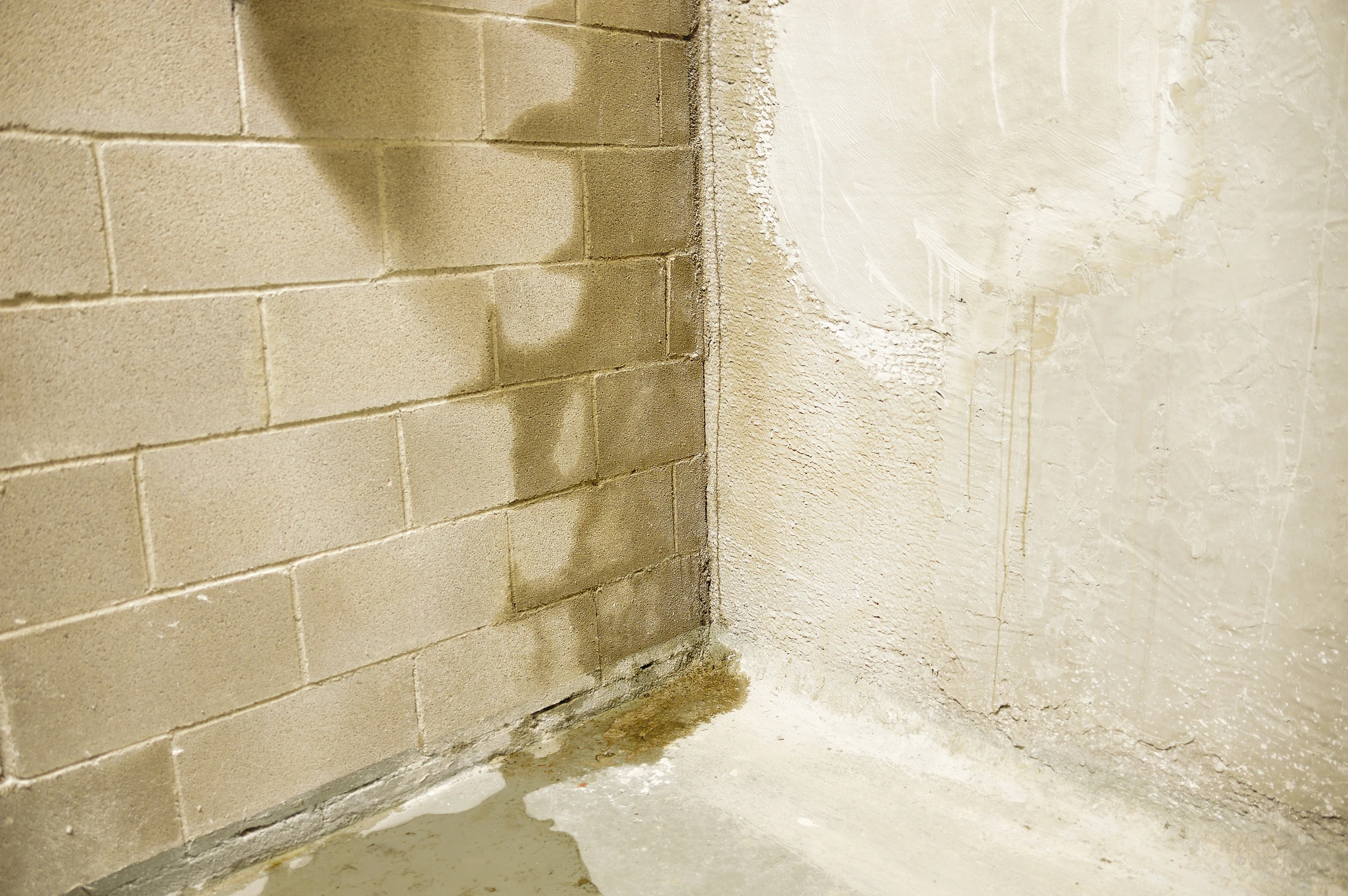
A crack that stayed dry for years can suddenly start leaking during one heavy storm. That surprise is common, and it usually means water pressure finally found its way through a weak point in the wall. Lapans Basement Waterproofing repairs leaking basement cracks for homeowners across Lowell and the surrounding Massachusetts and New Hampshire region.
Basement crack leak repair depends entirely on the type of crack and where it sits. A hairline crack in a basement needs a different fix than a horizontal crack showing signs of wall movement. We diagnose the cause before recommending a repair method.
Why Basement Cracks Begin Leaking During Heavy Rain
Cracks often start leaking once conditions around the foundation change.
Hydrostatic Pressure
Heavy rain saturates the soil around your foundation, and that water pushes against basement walls with real force. A dry crack can start leaking the moment hydrostatic pressure rises high enough to force water through.
Saturated Soil
Soil that stays saturated for days holds water against the foundation longer than a quick rain event would. This prolonged pressure gives water more time to find its way through even a narrow crack.
Seasonal Groundwater Changes
Groundwater levels shift with the seasons, rising in spring from snowmelt and heavy rain. A crack that never leaked during a dry summer can start leaking once the water table rises closer to your foundation.
Poor Exterior Drainage
Gutters that dump water near the foundation, or grading that slopes toward the house instead of away, send extra water straight to your basement walls. This turns a minor crack into a consistent leak point.
Freeze-Thaw Expansion
Water that gets into a crack and then freezes expands, widening the crack slightly with every freeze-thaw cycle. Over a few winters, a barely visible hairline crack can grow enough to leak steadily.
Why Surface Sealants Rarely Stop Basement Crack Leaks Permanently
Homeowners often try caulk or a surface patch first, and it is an understandable instinct. The problem is what is happening on the other side of the wall.
Water pressure behind the wall doesn’t go away just because the surface looks sealed. Hydrostatic pressure keeps pushing, and it eventually finds another path through the concrete, often right next to the original patch.
Hidden crack expansion happens below the visible surface. A crack can extend deeper into the wall than what you see, so a sealant applied to the surface never actually reaches the full depth of the problem.
Flexible vs. rigid repair methods matter more than most homeowners realize. Rigid sealants can crack again as the foundation naturally shifts slightly with temperature and moisture. Flexible materials move with the wall instead of fighting it.
Interior injection systems solve this by filling the entire crack from inside the wall, not just the surface. Epoxy or polyurethane gets injected under pressure, reaching the full depth of the crack and bonding or sealing it completely.Long-term repair strategies combine crack injection with attention to the cause, whether that’s poor exterior drainage or a sump pump system that is no longer keeping up.
How We Repair Leaking Basement Cracks
For most cracks in concrete foundation walls, we use epoxy injection to restore structural bonding or polyurethane injection for cracks that are actively leaking. Polyurethane expands to fill the crack and creates a flexible, waterproof seal even in an active leak. For basement floor cracks, we often use hydraulic cement combined with injection, since floor cracks face different pressure than wall cracks.
Horizontal cracks get our extra attention, since they can point to a bowing wall rather than simple settlement. In those cases, we pair crack injection with wall stabilization instead of treating it as a routine repair. We also check your sump pump and exterior drainage as part of the visit, since a crack repair without addressing drainage issues does not hold for long.
Why Choose Lapans Basement Waterproofing
Lapans Basement Waterproofing has repaired leaking basement cracks across Massachusetts and New Hampshire for more than 40 years. We are a family-run local business, and we walk every homeowner through exactly what type of crack we are dealing with. Our team explains why we are recommending a specific basement crack repair method.
FAQs About Leaking Basement Crack Repair
Most crack injection repairs cost a few hundred dollars per crack, depending on length and accessibility. Structural cracks involving wall stabilization cost more. We provide a written estimate after inspecting the crack and wall condition.
Polyurethane injection works best for actively leaking cracks, since it expands and flexes with the wall. Epoxy injection suits structural, non-leaking cracks better, since it bonds rigidly and restores strength to the concrete.
We clean the crack, install injection ports along its length, and inject epoxy or polyurethane under pressure until it fills the full depth. This seals the crack from inside the wall.
Basement floor cracks are routed out, cleaned, and filled with hydraulic cement or a flexible epoxy compound. For cracks caused by hydrostatic pressure, we also check whether the sump pump needs upgrading.
Horizontal cracks often signal wall bowing and need wall stabilization, such as carbon fiber strips, alongside crack injection. Treating a horizontal crack as routine, without checking for wall movement, risks incomplete repair.