Basement Damp Proofing Services in Lowell, MA
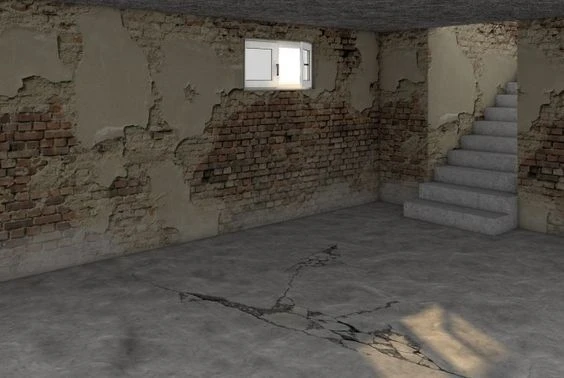
Dampness in a basement does not always mean a flooded floor. Often it shows up as a faint musty smell or dark staining on the lower part of the foundation wall. The surfaces feel slightly wet to the touch after rain. These are signs that moisture is slowly moving through your foundation in a way that causes damage over time.
Interior basement damp proofing addresses that moisture before it becomes a bigger problem. At Lapans Basement Waterproofing, we assess the source of the excess moisture first. Then we apply the right solution, whether that is a damp proof coating, a vapor barrier system, improved drainage, or a combination of these approaches. A proper diagnosis results in a lasting fix. Treating the symptom without identifying the cause of dampness leads to the same problem returning every season.
Damp Proofing vs. Waterproofing: What's the Difference?
These two terms get used interchangeably, but they are not the same thing. Understanding the difference helps you make the right decision for your Massachusetts home.
Damp Proof Coatings
Damp proofing uses a bituminous or cementitious material coating applied to the foundation wall. It resists water vapor and light moisture migration. It is not designed to hold back standing water or withstand significant hydrostatic pressure. Damp proofing exterior basement walls is standard practice on new construction and works well where soil moisture is the main issue.
Waterproof Membranes
Exterior waterproofing involves a true membrane applied to the outside foundation wall that can withstand sustained water pressure. If your basement is dealing with actual water infiltration rather than vapor transmission, a waterproof membrane is the appropriate solution. Alternatively, interior waterproofing systems pair wall membranes with drainage channels and a sump pump to manage water that gets in at the footing level.
Hydrostatic Pressure
When the soil around your foundation becomes saturated, it pushes water against the walls and floor with increasing force. That is hydrostatic pressure. Damp proofing alone cannot stop it. Homes with a high water table or poor grading around the foundation need a waterproofing system rather than damp proofing, even if the moisture looks minor from the inside.
Best Applications for Each Method
Damp proofing works well on new construction and on foundations in well-drained soil. It is ideal in situations where the issue is condensation or vapor rather than active seepage. Waterproofing is the right call when water visibly enters through cracks, when the basement floor stays wet after rain, or when there is a documented high water table. We help homeowners in Lowell and surrounding areas understand which approach actually fits their situation.
Common Causes of Persistent Basement Moisture in Lowell
There are multiple sources of moisture in a basement. Most cases involve two or three contributing factors.
Condensation
Warm, humid summer air meets the cooler surface of the basement wall and condenses. This is common in basements with inadequate ventilation. The walls and floors look wet, but the water is coming from inside the air, not through the foundation. A vapor barrier system and improved airflow solve this. A waterproof coating does not.
Foundation Seepage
Groundwater that saturates the soil pushes through the pores of poured concrete walls. It may not come in as a visible stream but it seeps in slowly, creating a consistently damp surface. Interior waterproofing and exterior foundation waterproofing both address this, depending on where the moisture is entering and the severity of the seepage.
Poor Grading
If the ground around your home slopes toward the foundation rather than away from it, every rain directs water into the soil adjacent to your walls. That water has nowhere to go but down and in. Correcting the grade is sometimes part of the solution alongside basement wall sealing.
Gutter Overflow and Downspout Discharge
Gutters that are clogged or downspouts that discharge too close to the foundation push large amounts of water into the soil right at the base of the wall. This is one of the most common and most overlooked contributors to basement moisture problems.
Inadequate Ventilation
Without proper airflow, humidity builds up inside the basement and keeps moisture levels high year-round. This accelerates mold and mildew growth on walls and framing, and masks the actual source of the moisture problem.
Our Damp Proofing Process
We begin with a walk-through assessment of the basement walls and floor. We look at where moisture is concentrated, assess the drainage situation outside the foundation, and ask the homeowner what they have noticed over different seasons. That information shapes our recommendation.
Lapans Basement Waterproofing provides damp proofing services across Lowell, Chelmsford, Andover, Billerica, and Nashua, NH. We offer free estimates. Call +1 508-843-6328 to schedule a visit.
Why Lapans Basement Waterproofing Is the Right Call for Damp Proofing
Most damp basements have more than one thing going wrong. We do not apply a coating and call it done. We look at grading, drainage, wall condition, and ventilation before recommending a solution. That diagnostic approach is why our work holds up and why homeowners across Lowell and surrounding areas call us back when they have a new property to protect.
- Moisture source identified before any treatment is applied
- Interior and exterior damp proofing options available
- Paired with drainage solutions when the situation calls for it
- 40+ years solving persistent basement moisture problems
FAQs About Damp Basements
Damp proofing involves applying a moisture-resistant coating to the interior or exterior of the foundation wall. On the interior, cementitious coatings are brushed or sprayed onto the wall surface. For exterior damp proofing, the foundation is excavated and a bituminous membrane is applied. The method depends on where moisture is entering and how severe the issue is.
Interior damp proofing on an average-sized basement costs between $3 and $10 per square foot, depending on the wall material and condition. Exterior damp proofing costs more due to excavation. Most homeowners spend between $1,500 and $6,000 for interior treatment. We provide free estimates so you know exact costs beforehand.
Damp proof coatings create a barrier on the wall surface that resists water vapor and light moisture from passing through the masonry. They fill surface pores in concrete or block and slow the rate of moisture transmission. They are not rated to resist standing water pressure, which requires full waterproofing.
No. Damp proofing resists vapor and minor moisture. Waterproofing uses membranes and drainage systems to handle active water intrusion under hydrostatic pressure. Damp proofing is appropriate for vapor control. Waterproofing is necessary when water is physically entering the basement through cracks.
Yes. Exterior damp proofing involves excavating around the foundation and applying a waterproof coating or membrane to the outside of the wall. This is more effective than interior treatment because it stops moisture before it contacts the wall. The drawback is cost and disruption. Interior damp proofing is a practical alternative for most existing homes.