Drainage System Maintenance in Lowell, MA
Most homeowners never think about the pipes moving water away from their foundation until standing water shows up on the basement floor or in the yard. Lapans Basement Waterproofing provides drainage system maintenance for homes across Lowell and the surrounding Massachusetts and New Hampshire towns, keeping water moving.
Drain maintenance is not a one-time job. Soil shifts, tree roots grow, and sediment builds up inside pipes over years of normal use. A drainage system maintenance checklist followed twice a year catches these changes before they turn into clogged drains or a wet basement.
How Regular Drainage Maintenance Protects Your Basement
Drainage issues start as a slow drain or a small patch of standing water, then grow into something more serious if ignored.
Preventing clogs is the most direct benefit of routine drain cleaning services. Leaves and tree roots build up gradually inside drain lines, and clearing them before they fully block the pipe keeps water flowing during heavy rain.
Sump pump life extends naturally when drainage works properly. A functioning drain system reduces the volume of water reaching the sump pit, which means the pump cycles less often and lasts longer as a result.
Hydrostatic pressure around your foundation depends on drainage moving groundwater away efficiently. When drains slow down or clog, water pools against foundation walls instead, increasing pressure that can eventually cause cracks or leaks.
Recurring leaks tie directly to drainage performance. Many basement leaks that seem to come back after a repair are actually a drainage problem, not a failed crack seal. Regular inspections catch that distinction early.
Drainage efficiency is improved overall, which means water exits your property faster during storms. It reduces the load on your entire waterproofing system, from catch basins to the sump pump itself.
Warning Signs Your Drainage System Needs Professional Maintenance
Certain signs point directly to a drainage system that needs attention before the next heavy rain arrives.
Slow Drainage
Water pooling in the yard or taking longer than usual to disappear after rain often means sediment or root intrusion is narrowing your drain line.
Standing Water
Puddles that stick around near your foundation, patio, or catch basins for more than a day after rain suggest the drainage system isn’t clearing water properly anymore.
New Seepage
A damp basement wall or floor that wasn’t a problem before often traces back to a drainage issue outside, not a new crack in the foundation itself.
Musty Odors
A persistent musty smell in the basement, even without visible water, often means moisture is sitting somewhere in the drain system or soil near your foundation.
Frequent Sump Pump Cycling
If your sump pump runs far more often than it used to, drainage upstream may be sending more water into the pit than it should during normal rainfall.
Water Stains
Stains on basement walls or floors, especially horizontal lines near ground level, usually indicate water has been sitting against the foundation longer than it should.
What Our Drainage Maintenance Includes
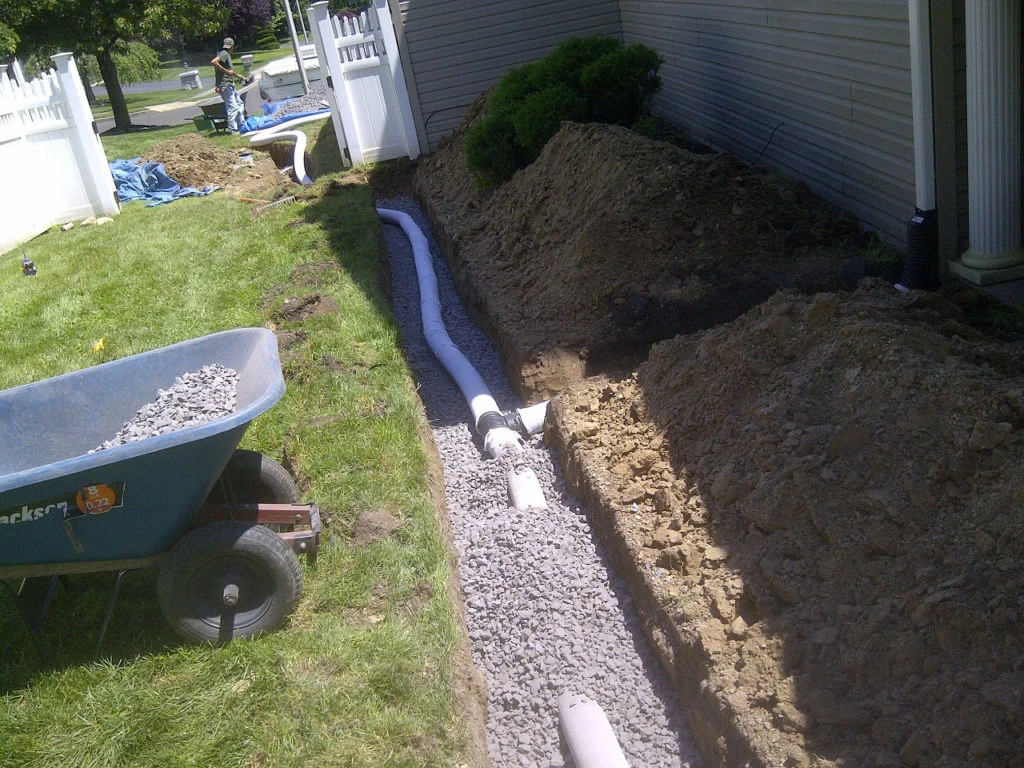
We inspect French drains, perimeter drains, and catch basins for blockages, then flush drain lines to clear sediment and root intrusion. We check discharge lines to confirm water exits fully away from the foundation, and we test drainage flow to catch slow spots before they become full clogs. We avoid harsh chemical treatments, since they can damage older pipe and don’t address the root cause of a preventable drain issue.
Why Choose Lapans Basement Waterproofing
Lapans Basement Waterproofing has maintained house drainage systems across Massachusetts and New Hampshire for more than 40 years. We build a maintenance plan around your specific soil, grading, and drainage setup rather than applying the same checklist to every home.
FAQs About Drainage System Maintenance
Yes. French drains collect sediment and can suffer from root intrusion over time, which slows water flow. We recommend inspecting and flushing French drains every one to two years to keep them functioning properly.
We recommend inspecting your drainage system twice a year, in spring and fall, along with an extra check after any unusually heavy storm. Regular inspections catch small clogs before they cause standing water or basement leaks.
Sediment buildup, tree root intrusion, and settling soil are the most common causes. Older clay or cast iron pipes are also more prone to cracking and root damage than modern PVC drain lines.
Basic tasks like clearing surface debris from catch basins are fine to do yourself. Flushing underground drain lines and inspecting for root intrusion require professional equipment and are best left to a drainage specialist.
Costs depend on drain length, accessibility, and whether root intrusion or clogs are present. Routine maintenance costs far less than repairing a failed drain system or fixing water damage from a backed-up basement.