A sump pump is easy to forget about when it is working properly. The problem is that many homeowners only discover an issue during heavy rain, snowmelt, or a power outage, when the basement is already at risk.
Proper sump pump maintenance is not a long process, but some simple steps can help detect sump pump issues before they can cause problems. Lowell residents benefit from seasonal maintenance due to precipitation and winter weather throughout the year. The average precipitation at Lowell is approximately 49 inches per year, and the average snowfall is approximately 32.9 inches per year, according to the NOAA climate data from 1991-2020.
Why Sump Pump Maintenance Matters in Lowell
The sump pump is used to pump any water that gathers around or under the foundation out of the house. When the pump fails to start, the float switch is stuck, or the discharge line is clogged, water can start to collect in the sump pit, which may lead to water entering the basement.
Lowell also has an older urban infrastructure in many areas. The City of Lowell does mention that heavy rainfall can cause a considerable load on the City’s drainage and collection systems, as wet weather flows rise considerably.
It does not mean that all Lowell homes will have flooding in their basements. But for anyone who has had water seep in through the floor, lives in an area with a high water table, or has a finished basement, there is a good reason to maintain their equipment.
A Practical Sump Pump Maintenance Schedule
It is not necessary to do a thorough inspection each week. Rather, spread out the maintenance activities over the year.
| Maintenance task | Recommended frequency |
| Visual pump inspection | Every 3–4 months |
| Test pump operation | Every 3–4 months and before heavy-rain seasons |
| Clean the sump pit and remove debris | At least once a year |
| Check discharge line | Seasonally |
| Test backup system | According to the manufacturer’s instructions, usually several times a year |
| Professional inspection | When problems appear or as recommended for the system |
Always follow the manufacturer’s maintenance procedures since pumps are manufactured in a variety of designs and backups.
Start With a Simple Pump Test
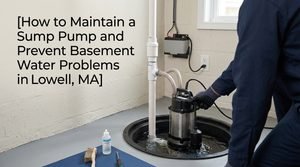
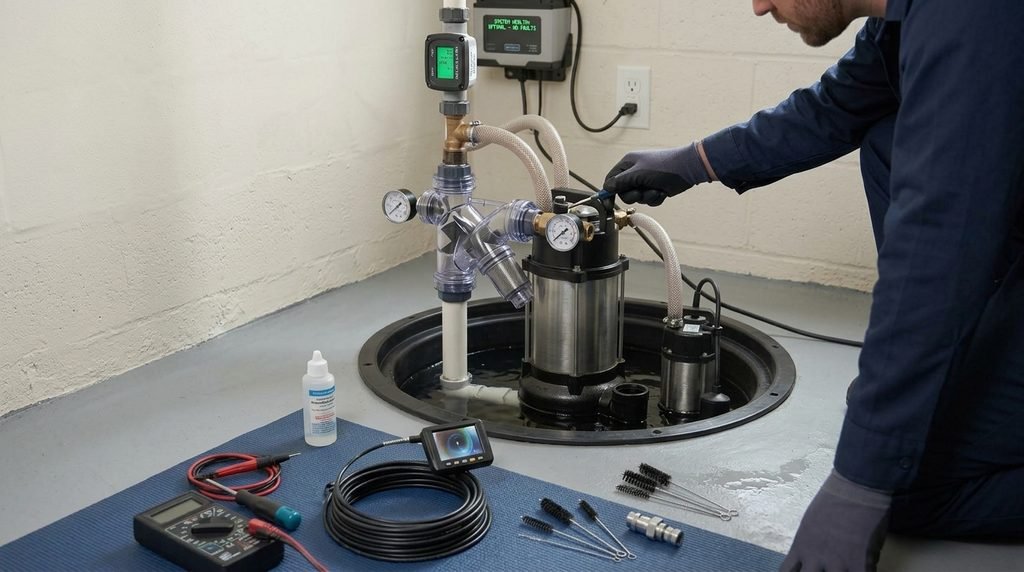
The simple way to verify the system is to carefully pour water into the sump pit. As the water level goes up, the float/sensor should turn on the pump. Observe what occurs when the pump is turned on. The water should recede, and the pump should turn off once it hits a certain mark.
What to Look For
During regular testing, pay attention to:
- The pump is failing to start
- Excessive vibration or unusual noises
- The pump is running continuously
- Water is draining very slowly
- The pump is cycling on and off repeatedly
- Water returning to the pit after discharge
Do not wait until a major storm to perform the first test of the year.
Clean the Sump Pit and Pump Area
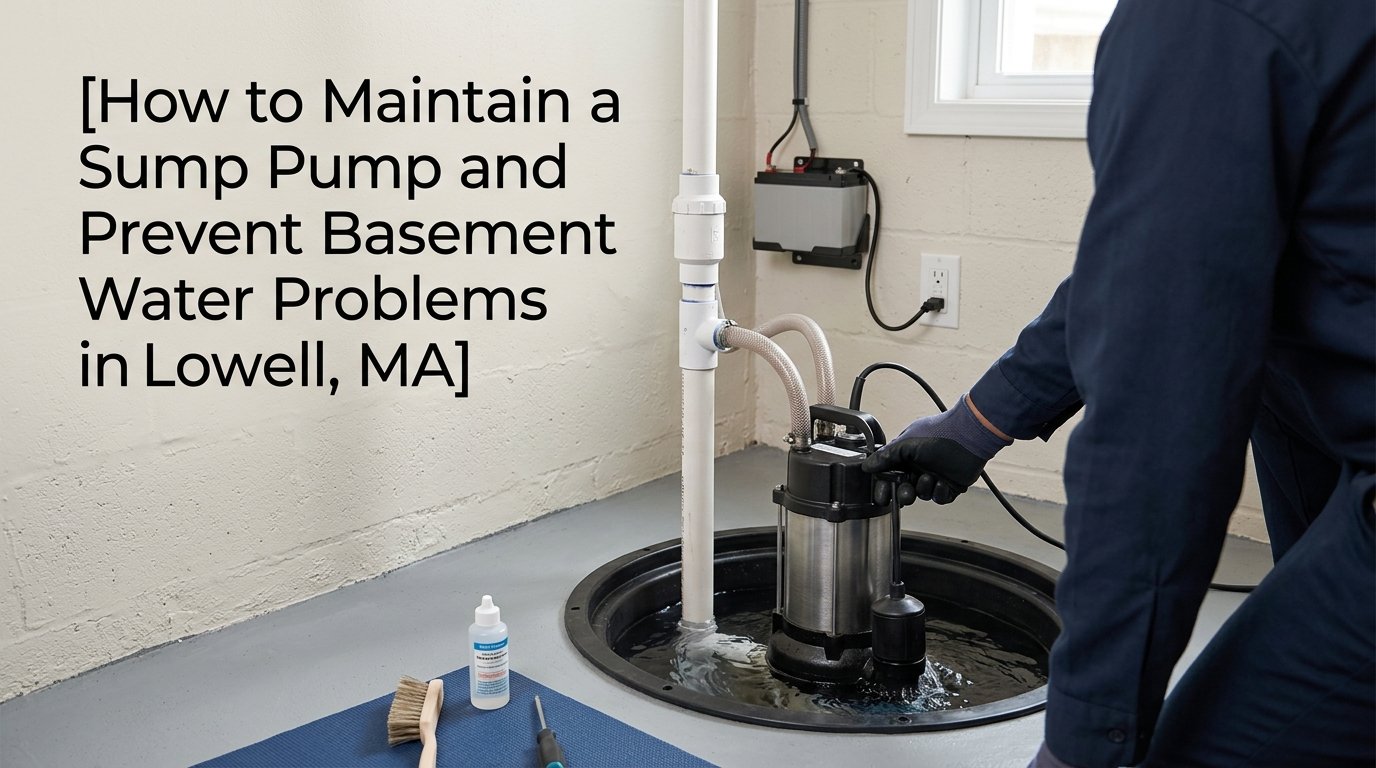
Over time, dirt, gravel, and other debris can build up in the pit. The accumulation may hinder the pump, cause a blockage of the intake, or damage the float switch. Shut off the power before cleaning or inspecting the equipment, when it is necessary to handle the equipment. Clear away loose material from the pit and see if the float will move freely.
You do not need to dismantle the entire system during every inspection. The goal is to keep the area clean enough for the pump and its components to operate without obstruction.
| Helpful Note: Check the Lid TooIf the sump pit is covered, ensure that the cover stays in place. A secure cover can prevent debris from getting into the basin and minimize the risk of accidental contact with the pit. When wiring is damaged, corroded, or has loose electrical connections, leave the repairs to a qualified professional. |
Inspect the Discharge Line Before It Becomes a Problem
The pump does remove water from the pit, but the discharge line is still required to transport the water from the foundation. Go outside to the discharge location. Inspect for clogs, leaks, or puddles near the home.
Winter Requires Extra Attention
The average low temperature for the month of January in Lowell is 15.8°F, and there are several days of freezing temperatures in winter. If the discharge line becomes frozen, the system will not be able to pump water away effectively. Prior to winter, check the outside section for damage and ensure that the discharge system is suitable for freezing weather.
Avoid significant changes in the drains without knowledge of local requirements and the impact on neighbouring properties.
Do Not Forget the Check Valve
The check valve prevents the discharged water from re-entering the sump pit after the pump has stopped. If water keeps coming back to the basin, the pump could have to run more frequently than it needs to. This additional cycling can put undue strain on the equipment.
When inspecting, check for any leaks around the valve and listen for any strange noises. A professional can ensure that the valve is properly installed and operating.
Test Your Backup System
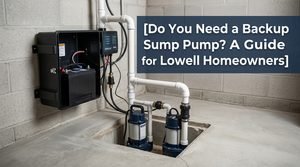
A primary sump pump is an electric pump. That can be a significant vulnerability during a power outage due to a storm. If you have a battery backup, test your system as per the manufacturer’s instructions. Test battery, alarm, connections, and back-up pump operation.
A backup system is especially beneficial if basement flooding may result in extensive property damage. However, it is not maintenance-free. A battery that has reached the end of its service life may not provide protection when the primary system loses power.
Watch for Problems Between Maintenance Checks
Not all problems with sump pumps will be found at an inspection. Be aware of changes in the normal manner of the pump’s operation. If a pump suddenly becomes louder, runs longer, cycles more often, or doesn’t pump water efficiently, it should be addressed.
Other warning signs include:
- Water remaining in the pit at an unusually high level
- Visible rust or corrosion
- A stuck or tangled float
- Moisture or water around the basement floor near the system
- Water pooling near the exterior discharge point
- Frequent tripping of the electrical circuit
Spotting these issues early really saves you from expensive repairs and water damage headaches down the road.
Remember That the Sump Pump Is Only One Part of Basement Water Prevention
A reliable sump pump helps, sure, but it can’t fix every water problem. If you see a lot of water gathering around your foundation, you need to look at what’s happening outside, too. Your gutters and downspouts matter a lot here. Keep them clear and check that downspouts send water away from the house. It’s an easy step that gets overlooked.
After a heavy rain, walk around your yard and see if any water pools near the house. If you spot problem spots, things like poor grading, broken drainage pipes, or even foundation cracks could be to blame. Sometimes, the fix is bigger than just the pump inside.
For homeowners dealing with recurring moisture or drainage concerns, Lapans Basement Waterproofing can help determine whether the issue involves the sump pump itself or another part of the basement waterproofing system.
How Do You Know When to Repair or Replace a Sump Pump?
There’s no one-size-fits-all answer; how long your pump lasts depends on the model, how much you use it, the kind of water that runs through it, and how well it was installed.
But you’ll know it’s time for professional help if the pump keeps acting up, needs constant repairs, or just can’t be trusted in a storm. Swapping out a sketchy pump before a big downpour is a whole lot easier than mopping up a flooded basement after.
Frequently Asked Questions
How often should I test my sump pump?
Give it a quick test every three or four months, and especially before wet seasons or heavy snowmelt. Just pour water into the pit; if the pump kicks on, clears the water, and shuts off as it should, you’re in good shape.
What happens if I never clean my sump pit?
Letting debris pile up around the pump can mess with the intake or float switch. Over time, you’re looking at lower performance or even total failure right when you need the pump most. Cleaning the pit yearly helps you dodge those problems.
Can I maintain a sump pump myself?
Homeowners can handle a lot—the basics like checking the discharge line, testing the pump, and clearing out debris. But if you spot electrical issues, broken parts, nonstop cycling, or drainage trouble, it’s safer to bring in a pro to track down what’s really going wrong.
How can I prevent my sump pump discharge line from freezing?
Before winter hits, look over your discharge pipes and make sure they’re ready for freezing temps. In Lowell, winter can do a number on those lines, especially if they’re poorly placed or already damaged. If freezing occurs repeatedly, have the system inspected rather than applying a temporary fix.
Final Thoughts: Regular Maintenance Can Prevent Bigger Basement Problems
Just a handful of routine checks can make sure your sump pump works when you need it. Test it, keep the pit clean, watch the discharge line, and pay attention to anything that seems off.
For Lowell homeowners, it also makes sense to inspect the system before heavy rain seasons and freezing weather. If testing reveals recurring problems or your basement continues to take on water, Lapans Basement Waterproofing can help identify what needs attention and whether the sump pump is only part of the problem.