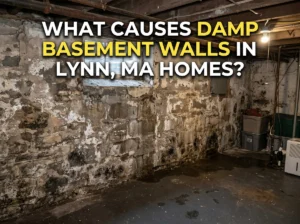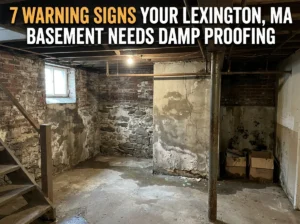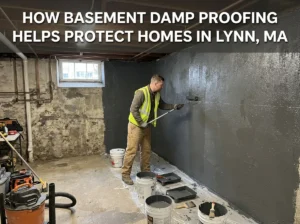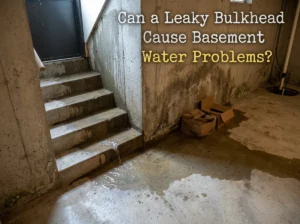
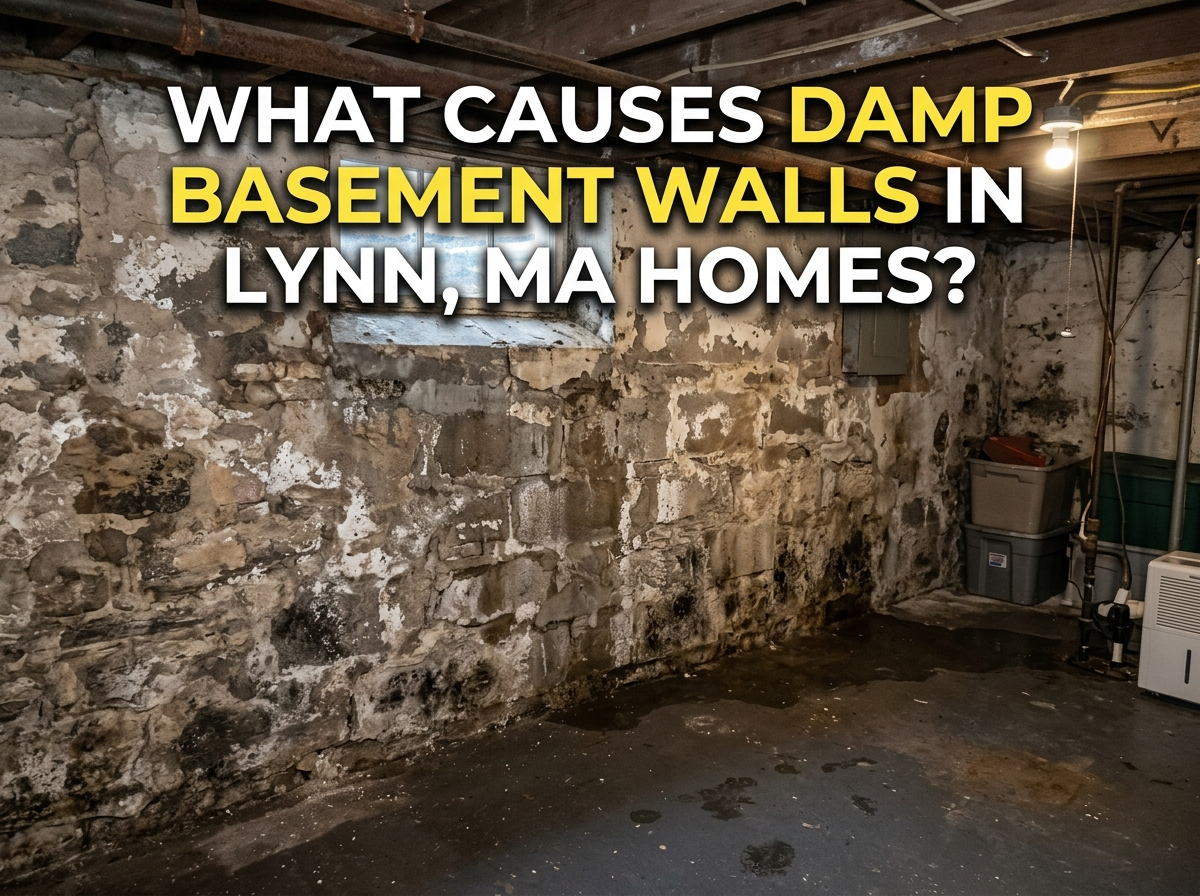
Over time, damp basement walls can leave stains and water damage on the walls, peeling paint, white mineral deposits, or a recurring musty odor. Some homeowners notice moisture after heavy rain, while others find damp patches even during dry weather. When homeowners start to notice these dampness-related warning signs in their basement, it may be due to seepage from the foundation or too much moisture in the home.
Lynn, MA, receives approximately 47.8 inches of precipitation annually, which closely reflects the 1991-2020 climate normal patterns across Essex County. This recurring rainfall makes exterior drainage and foundation moisture management important considerations for local homeowners. But there are reasons other than rain for having a damp basement. The first step is to determine where the moisture comes from in order to select an appropriate solution.
Poor Exterior Drainage Around the Foundation
Sitting pools of rainwater around the house can seep in over time. Heavy rains can cause the surrounding soil to become waterlogged and exert pressure that forces water through cracks, joints, or weak spots in concrete and masonry basement walls. This can result in puddling, seepage, or water collecting around the bottom of the basement.
Water may collect near the foundation for several reasons, including:
- Clogged gutters: Leaves and debris prevent rainwater from flowing freely through the gutter system.
- Insufficient downspout reach: Runoff released near the home may pool along the foundation.
- Improper grading: Ground that slopes toward the house directs runoff toward the basement instead of away from it.
- Poor yard drainage: Low areas around the property can hold water after prolonged rainfall.
Solving these drainage issues will help to keep excess runoff from entering the house. But if the dampness doesn’t stop, it could also be a sign of a leaky drainage system or a problem with the basement that needs to be checked.
Hydrostatic Pressure and Groundwater Infiltration
Hydrostatic pressure is created by water that builds up in the soil next to foundation walls when it is saturated. When the water table rises, the water pressure pushes against the concrete and block foundation walls. Water can seep through cracks in walls, weak joints, or other weak points if the walls are cracked or have weak areas.
This can be a problem in Lynn homes following prolonged periods of rain, when soil is saturated, or when groundwater rises. Some indications of a leaky basement are damp wall sections, pooling of water at the bottom of basement walls, or leaks that happen more often during wet weather.
Depending on property conditions, an interior drainage system, French drain, or sump pump can be used to control groundwater. The solution will vary based on the location of the water entry, movement about the house, and if the current system is capable of providing adequate drainage.
Foundation Cracks and Porous Concrete
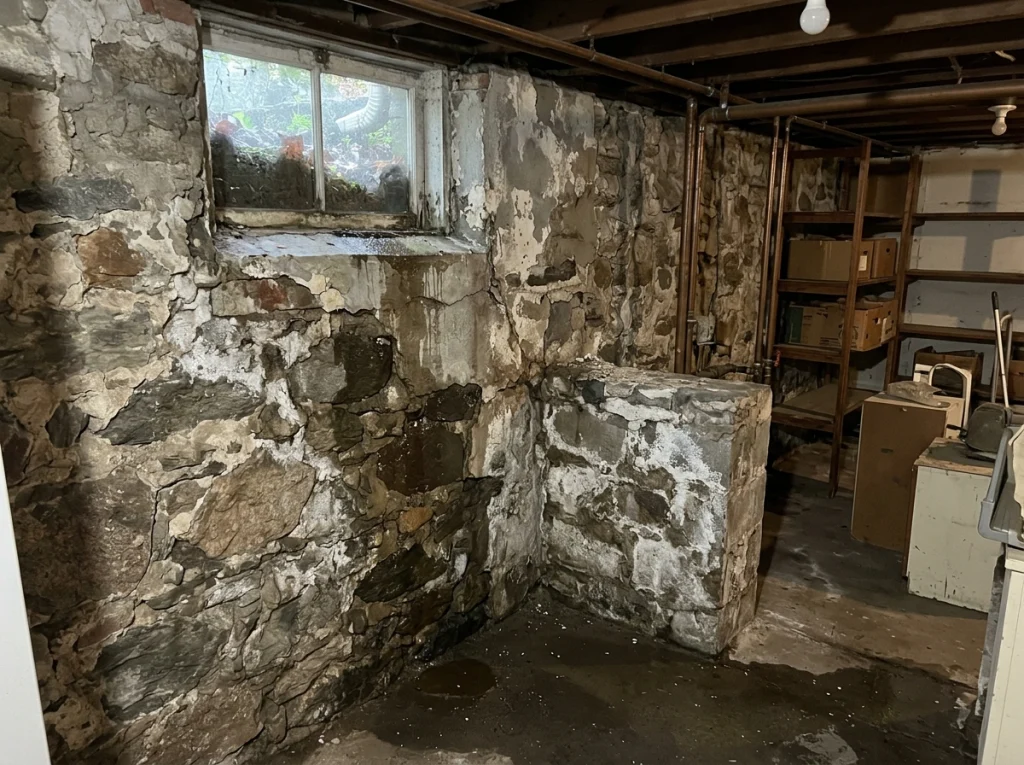
Though strong, concrete can still absorb moisture through its pores. The moisture may penetrate through porous concrete, cracks in the foundation walls, or through openings in the foundation walls. The possibility of foundation cracks can open a path for water to penetrate the basement.
Look for these warning signs:
- Narrow cracks that become damp after rainfall
- White, powdery deposits known as efflorescence
- Water stains or peeling coatings on foundation walls
- Moisture patches that keep returning to one specific spot
Efflorescence is a result of water moving the dissolved minerals through the masonry and is left behind as the water evaporates. It’s not necessarily a sign of structural problems, but it can be a sign of moisture moving. Any cracks that widen, exhibit movement, or leak frequently should be investigated in greater detail.
Basement Wall Condensation and Indoor Humidity
Moisture in basements can also be from within the house. Condensation is when warm, moist air comes in contact with a cooler surface, like a concrete foundation wall. Moisture may collect in beads along the wall without groundwater actually seeping into the basement.
Factors that can lead to mold growth are humid indoor air, lack of ventilation, drying laundry indoors, and water intrusion through other areas of the home. Condensation may be more noticeable during humid weather or when basement temperatures remain low.
| Sign | Possible explanation |
| Fine droplets across a broad wall area | Condensation |
| Damp patches concentrated around cracks | Possible water seepage |
| White mineral deposits | Moisture moving through masonry |
| Moisture near plumbing fixtures | Possible plumbing leak |
A dehumidifier will help to control indoor humidity, and proper ventilation can minimize condensation. However, even with these improvements, water may still penetrate through foundation damage or rising groundwater pressure.
Plumbing Leaks and Moisture at the Wall-Floor Joint
Leaky connections or broken pipes can bring water into a basement through pipes, drains, washing machines, and other plumbing components. These leaks can be hidden behind walls or under flooring, so the leak can not always be seen.
A common leak occurs where the basement floor meets the foundation wall. This boundary may allow moisture to rise from the ground if groundwater pressure increases, or if the drainage system of the property cannot efficiently remove water from this boundary.
Check whether dampness appears near plumbing lines, utility areas, or the wall-floor joint. A leak in the plumbing needs to be fixed at its source, and groundwater may necessitate drainage improvements or a basement waterproofing system. Being able to tell the difference is helpful in avoiding wasted repair work.
How Can Damp Basement Walls Be Addressed?
The first step towards an effective solution is to determine the source of moisture. Cleaning the wall or applying waterproof paint may improve its appearance temporarily, but these steps will not correct a leaking foundation or poor exterior drainage.
Lapans Basement Waterproofing evaluates basement moisture problems and offers solutions that include basement waterproofing, sump pump installation, and drainage-related services.
If the cause is identified, the recommended next steps might include:
- Redirecting downspouts and correcting soil grading
- Repairing suitable foundation cracks
- Installing or repairing drainage systems
- Adding a sump pump where groundwater management requires one
- Controlling indoor humidity when condensation is the main cause
If water keeps coming into the house or puddles are present, musty odors, or cracks that have moved, call for a prompt response. An inspection by a professional can reveal the cause of the problem and recommend the most appropriate repair.
Frequently Asked Questions
What causes basement wall moisture during dry weather?
This may be due to condensation, leaking pipes, infiltration through permeable concrete, or groundwater pressure. The locations where moisture occurs and the direction moisture flows can be indicators of the cause of moisture.
Can damp basement walls cause mold?
Yes. When moisture lingers, it creates a perfect spot for mold and mildew to grow on any surface that can sustain them. The key is to get rid of the moisture and dry out any affected materials, so you avoid continuously struggling with mold.
Is it safe to paint over damp basement walls?
If you put paint over a damp wall without fixing the real problem, you’ll just run into trouble later. Moisture will mess with the coating; it will bubble or peel, and some waterproof paints might even trap water inside the wall.
When should basement moisture be professionally inspected?
Get things checked out if dampness keeps coming back, water shows up after it rains, you notice standing water, or you see cracks that seem to be moving. Acting quickly helps stop more serious damage to the basement and the rest of your house.
Final Thoughts: Finding the Source of Basement Dampness
The causes of damp basement walls in Lynn, MA, range from clogged gutters and poor grading to hydrostatic pressure, foundation cracks, condensation, and plumbing leaks. The problem is, a lot of these issues look the same on the surface. So, it’s always better to figure out the real source, not just go after what you can see.
Addressing drainage issues early and investigating recurring moisture can help protect basement flooring, stored belongings, indoor air quality, and the home’s foundation. Lapans Basement Waterproofing provides basement moisture and waterproofing services for homeowners who need help determining the appropriate next steps.