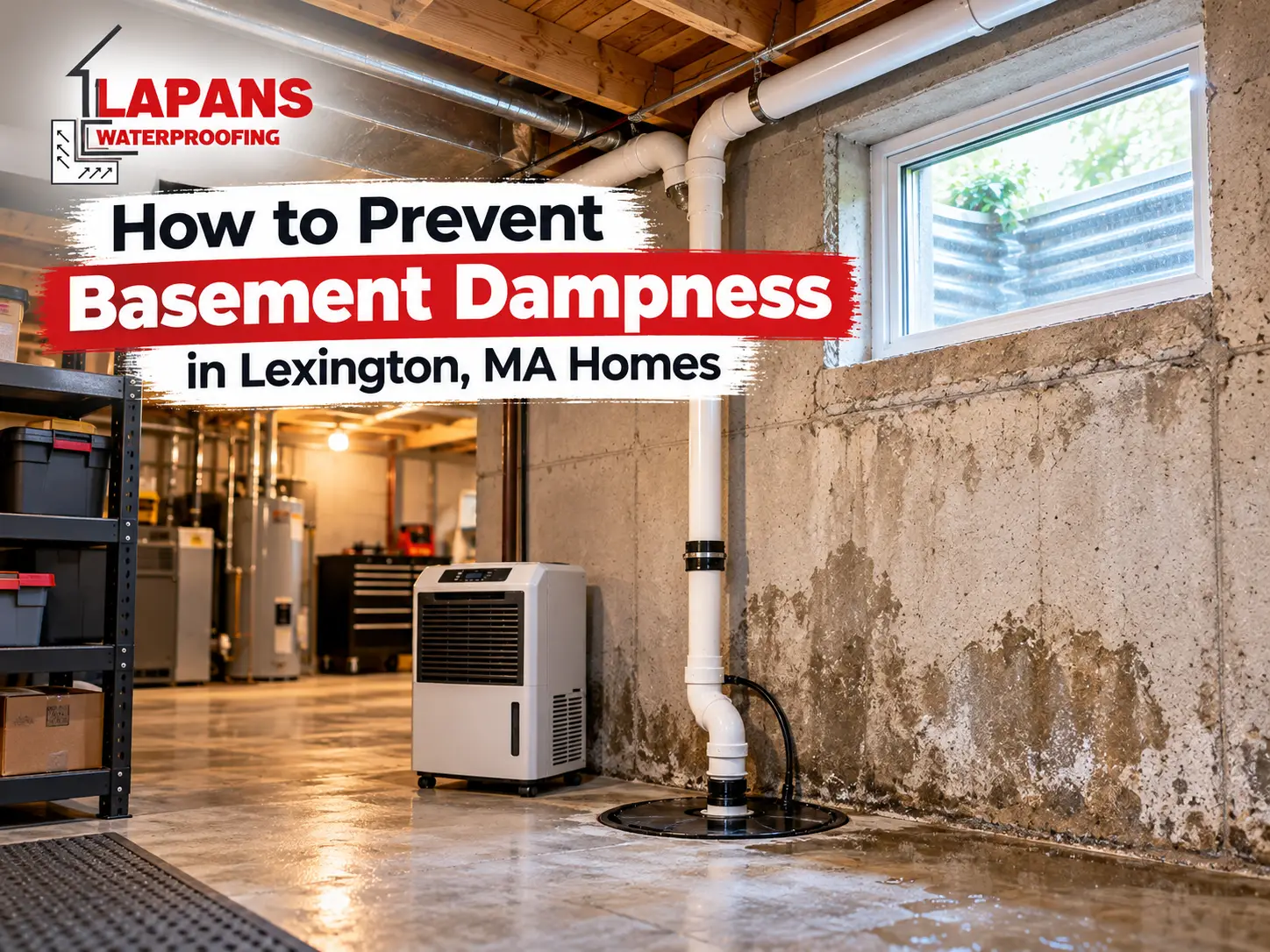
A damp basement can affect more than the comfort of your home. Moisture can damage stored belongings, weaken finishes, create musty odors, and encourage mold growth. For Lexington, MA homeowners, preventing basement dampness starts with controlling rainwater outside, monitoring indoor humidity, and finding small leaks before they become larger problems.
Basement moisture does not always mean water is pouring through the foundation. Sometimes, humid air condenses on cool walls and pipes. In other cases, poor drainage, foundation cracks, or plumbing leaks allow water to enter. Identifying the source helps you choose the right prevention method instead of repeatedly treating the symptoms.
Keep Rainwater Away From Your Foundation
Water that collects around the foundation can increase the risk of seepage through cracks, joints, and porous masonry. Begin with the areas around your home that manage rainfall.
- Clean gutters regularly: Remove leaves, dirt, and other debris so rainwater can flow freely.
- Extend downspouts: Direct discharge away from the foundation toward a suitable drainage area.
- Check exterior grading: Soil should generally slope away from the house so runoff does not collect beside basement walls.
- Inspect after heavy rain: Look for puddles, eroded soil, overflowing gutters, and water collecting near window wells.
These basement dampness prevention steps are often a sensible starting point. However, do not direct runoff onto neighboring properties, walkways, or areas where it could create another drainage problem. Persistent pooling may require a closer assessment of the property’s grading and drainage system.
Control Indoor Humidity Before Condensation Develops
A basement can feel damp even when no water is visibly entering. Warm, humid air can meet cold foundation walls, pipes, and floors, causing condensation. Over time, repeated moisture can damage stored items and support mold growth.
Use a humidity meter to check indoor conditions rather than relying only on how the basement feels. Massachusetts public-health guidance recommends keeping indoor humidity between 30% and 50% to help limit mold growth. If readings remain high, a properly sized dehumidifier can help remove moisture from the air.
A few practical habits also make basement humidity control easier:
- Empty and clean the dehumidifier reservoir regularly, or check its continuous drain.
- Keep furniture and stored boxes slightly away from exterior walls to allow airflow.
- Avoid drying laundry in the basement without adequate moisture control.
- Check for condensation on cold-water pipes and insulate them where appropriate.
A dehumidifier lowers moisture levels, but it cannot fix foundation leaks or plumbing problems. If moisture returns quickly after the equipment runs, investigate the underlying cause.
Inspect Foundation Walls, Floors, and Plumbing
Regular basement inspections help homeowners spot early warning signs before moisture affects larger areas. Check corners, floor-wall joints, exposed pipes, windows, and places where utility lines enter the house.
Look for white, powdery deposits on masonry, peeling paint, damp patches, rust on metal fixtures, or a musty smell. These signs can indicate moisture, although they do not all point to the same source. Note when the problem appears, especially whether it follows rainfall, snowmelt, or plumbing use.
| Warning sign | Possible source | Recommended response |
| Dampness after rainfall | Runoff or foundation seepage | Inspect gutters, grading, and drainage |
| Water droplets on pipes | Condensation | Reduce humidity and insulate cold pipes |
| A wet patch near plumbing | Pipe or fixture leak | Arrange prompt plumbing repairs |
| Cracks with recurring water | Foundation entry point | Have the crack and surrounding conditions assessed |
Small, stable cracks do not always indicate a serious structural problem. However, widening cracks, wall movement, repeated water entry, or a bowing foundation should be evaluated by a qualified professional rather than covered with paint or sealant.
Improve Ventilation Without Bringing in More Moisture
Basement ventilation can help manage stale air, but opening windows is not always the best solution. During humid summer weather, outdoor air may introduce additional water vapor that condenses on cooler basement surfaces.
Instead, use appropriate exhaust ventilation where needed, maintain your HVAC equipment, and make sure air can circulate around storage areas. If the basement has persistent humidity problems, consider whether mechanical ventilation or a broader moisture-control approach is suitable for the space.
Do not assume that adding fans alone will keep basement walls dry. Fans move air but do not necessarily remove moisture. Pair ventilation with humidity monitoring and source control for more reliable results.
Check Drainage Systems and Sump Pumps
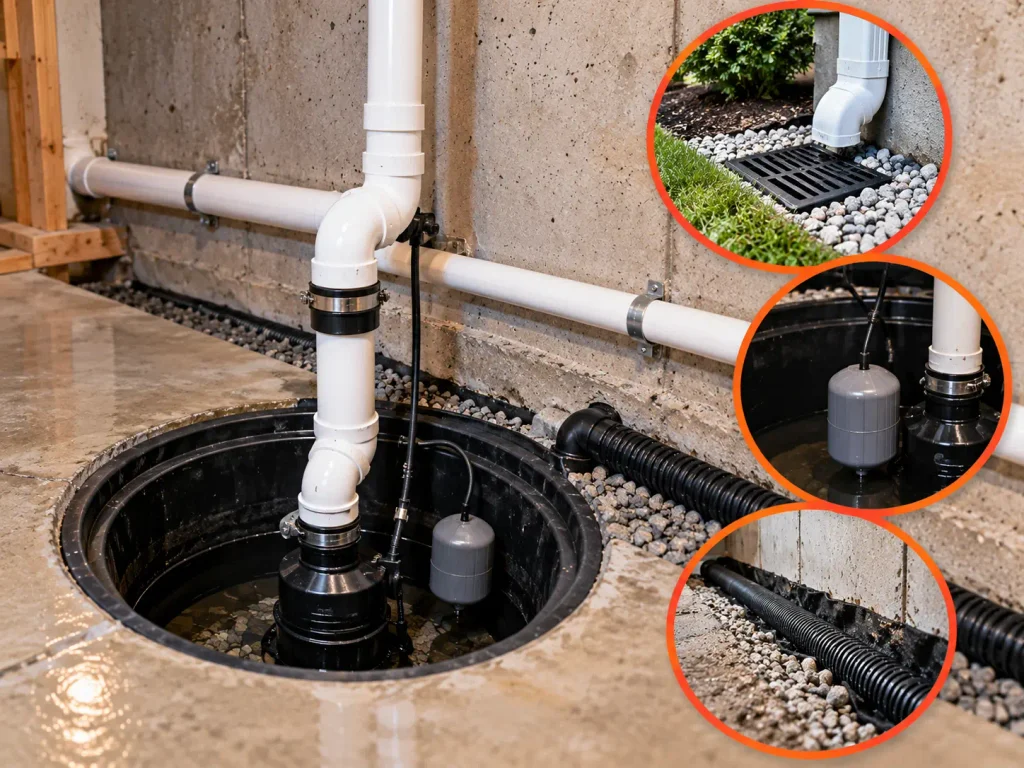
Some homes need more than routine gutter maintenance to manage groundwater or recurring water seepage. Depending on the property’s layout and water conditions, a foundation drainage system, French drain, or sump pump may be appropriate.
If your home already has a sump pump, test it according to the manufacturer’s instructions and check that the discharge line remains clear. If the system is critical during storms, consider arranging backup power. Keep the sump pit accessible so problems can be identified before water reaches the basement floor.
Do not install drainage equipment simply because a basement smells musty. A professional assessment can help determine whether the problem involves groundwater, surface runoff, condensation, or another source. The right solution depends on the actual conditions around and beneath the home.
Respond Quickly to Leaks and Water Damage
Fast action can reduce the damage caused by unexpected moisture. Massachusetts guidance advises drying water-damaged materials within 24–48 hours to help prevent mold growth. This is particularly important for absorbent materials such as carpet, drywall, and some wood products.
If water enters the basement:
- Address the source of the water as soon as it is safe to do so.
- Avoid entering standing water if electrical equipment or wiring may be affected.
- Remove wet belongings and begin safe drying.
- Check whether porous materials can be dried thoroughly or need replacement.
- Investigate why the water entered so the problem does not return.
For recurring leaks, damaged foundation materials, or widespread mold, professional help may be necessary. Cleaning visible stains without stopping moisture is unlikely to provide a long-term solution.
Choose Moisture-Resistant Materials Carefully
If you plan to renovate or finish your basement, deal with existing moisture before installing flooring, wall coverings, insulation, or other finishes. Covering a damp wall can hide warning signs and trap moisture behind the new materials.
Select products suited to basement conditions and follow the manufacturer’s installation requirements. Depending on the assembly, appropriate vapor control, drainage, and insulation may be needed. No single moisture barrier is right for every foundation, so the design should account for the building materials and the source of water.
Homeowners looking for a more complete approach can explore basement damp proofing to understand how moisture protection relates to foundation conditions. Before starting work, review basement preparation guidance so existing dampness is addressed before new finishes go in.
When Should Lexington Homeowners Seek Professional Help?
Routine maintenance is useful, but recurring water entry deserves a closer look. Consider a professional assessment if you notice repeated puddles, persistent damp walls, a sump pump that runs unusually often, cracks that are changing, or musty odors that return despite humidity control.
Lapans Basement Waterproofing can help homeowners assess basement moisture concerns and identify options suited to the property’s conditions. The goal is to address the source rather than rely on temporary fixes that leave the same problem unresolved.
Frequently Asked Questions
What is the best way to prevent basement dampness in Lexington, MA?
Start by keeping gutters clear, extending downspouts, directing surface water away from the foundation, and monitoring indoor humidity. If moisture continues, identify whether it comes from condensation, plumbing, or water entering through the foundation.
What humidity range is best for keeping my basement dry?
Aim for indoor relative humidity between 30% and 50%, following Massachusetts public-health guidance. Track moisture levels with a humidity meter and use a dehumidifier as needed.
Can a dehumidifier fix a leaking basement?
No. A dehumidifier removes water vapor from the air but cannot repair foundation cracks, leaking pipes, or poor exterior drainage. These problems must be resolved at their source.
When should I worry about foundation cracks?
Seek an assessment if cracks widen, walls appear to bow, surfaces shift, or water repeatedly enters through a crack. These signs need more attention than a minor, stable crack with no other symptoms.
Does basement waterproofing stop every moisture problem?
Not necessarily. The appropriate approach depends on whether the cause is surface runoff, groundwater, condensation, or plumbing. A reliable plan begins with identifying the source and selecting suitable measures.
Final Thoughts: Build a Drier Basement With Consistent Prevention
Preventing basement dampness is an ongoing process, not a one-time task. Regular inspections, effective drainage, controlled indoor humidity, and prompt repairs can help protect your basement from avoidable moisture damage. When water keeps returning, investigate the cause before investing in finishes or temporary fixes.
For persistent dampness or recurring water seepage, Lapans Basement Waterproofing can help you explore practical options for protecting your Lexington home and keeping its basement drier over the long term.