Damp patches, musty smells, or white deposits on basement walls can make homeowners wonder whether damp proofing will solve the problem. It often limits moisture moving through foundation walls, but it will not fix every wet basement. The right solution depends on the water source, pressure against the wall, and the foundation’s condition.
In Lowell, MA, this distinction matters. The U.S. Census Bureau estimates the city had 119,971 residents in July 2025, but homes vary in age, drainage, and foundation construction. A moisture assessment is more useful than choosing a coating based on a damp spot alone.
What Basement Damp Proofing Actually Does
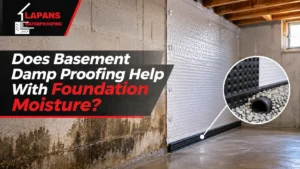
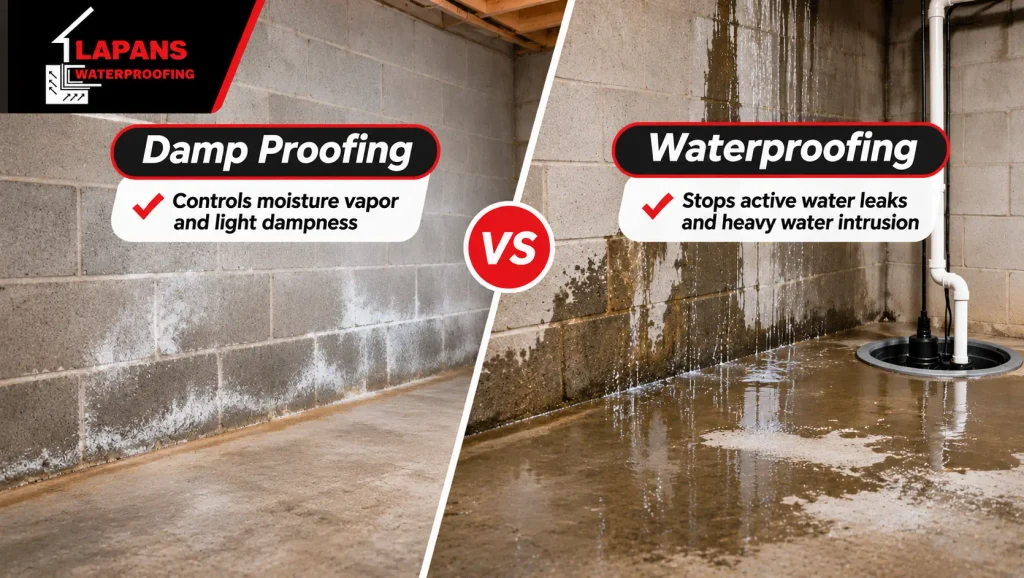
Damp proofing adds a moisture-resistant layer to foundation walls to limit moisture moving through porous concrete or masonry. It is intended for ordinary soil moisture and capillary action, not significant water pressure or active leaks.
If water enters through cracks, wall-floor joints, or saturated soil, a more complete waterproofing and drainage solution may be needed.
Damp Proofing vs. Waterproofing: Which Problem Do You Have?
Damp proofing slows moisture movement; waterproofing systems are designed to resist water infiltration in more demanding conditions.
| Sign or condition | What it may indicate | Typical next step |
| Slight wall dampness, no standing water | Moisture through porous masonry | Assess damp-proofing and grading |
| Water after heavy rain | Poor drainage or groundwater pressure | Check gutters, downspouts, grading |
| Water through visible cracks | Foundation opening or movement | Inspect and identify the source |
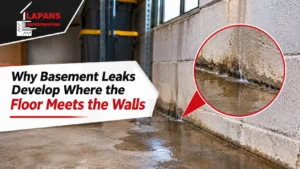
| Water at wall-floor joint | Seepage or pressure around foundation | Evaluate drainage options |
| Repeated flooding | Larger water-management issue | Assess drainage, sump pump, waterproofing |
A coating alone is unlikely to stop recurring water entry if the source remains active.
Why Foundation Walls Become Damp
Concrete and concrete block are porous. Moisture can move through them by capillary action, while saturated soil increases hydrostatic pressure against foundation walls.
Common causes include:
- Poor grading: Ground slopes toward the home, directing runoff to the foundation.
- Drainage problems: Gutters, downspouts, or foundation drains fail to move water away.
- Foundation cracks: Shrinkage or movement creates openings for water.
- High groundwater: Water builds up in surrounding soil and presses against vulnerable areas.
- Worn moisture protection: Older or damaged layers may no longer work as intended.
In Lowell, seasonal freeze-thaw conditions make it important to investigate cracks and exterior drainage. Soil, grading, foundation construction, and maintenance determine a home’s risk more than citywide statistics do.
Which Damp Proofing Methods Help?
The best basement damp proofing method depends on whether moisture migrates through a wall or water actively enters.
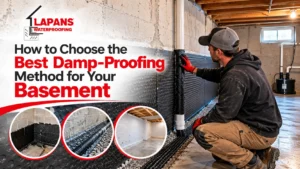
- Exterior damp-proof coating: Reduces moisture absorption from soil when the surface is accessible and properly prepared.
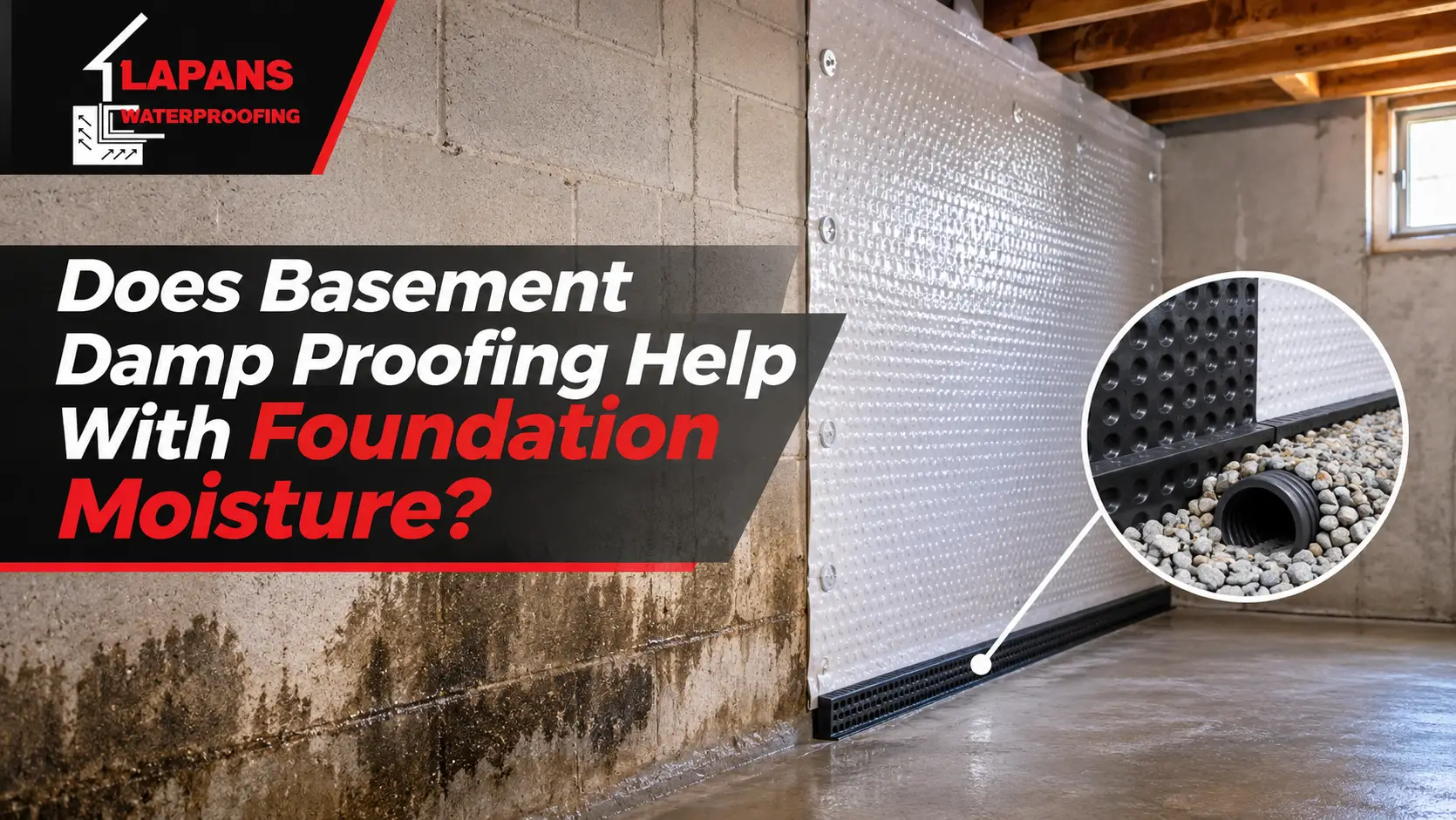
- Foundation membrane: Adds protection, but damp-proofing is not a substitute for waterproofing where water pressure is present.
- Drainage improvements: Clean gutters, extend downspouts, and correct grading.
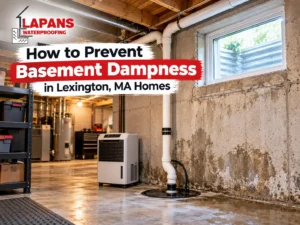
- Interior moisture management: A dehumidifier reduces humidity and condensation but will not repair a leak.
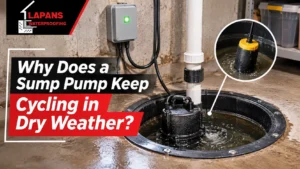
- Drainage or sump systems: Recurring seepage may call for a French drain or perimeter system connected to a suitable sump pump.
Do not seal damp walls before identifying the cause. An unsuitable coating can trap moisture and peel or blister.
Prepare the Foundation Before Work Begins
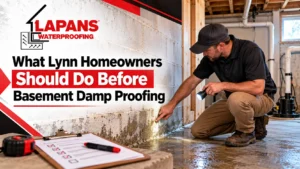
Preparation matters as much as the product. Walls may need cleaning, loose material removed, and cracks assessed before a compatible coating or membrane is applied. Before you prepare a basement, note where dampness appears and whether it worsens after rain.
Have a professional assess recurring leaks, widening cracks, bowing walls, or foundation movement. When choosing a damp-proofing method, consider the water source, wall material, exterior access, and drainage needs.
Lowell Development Services answers permit questions. Some construction, alteration, and repair work requires a permit under the Massachusetts State Building Code. Confirm requirements at 978-674-4144.
When to Call a Foundation Moisture Professional
Arrange an assessment if dampness returns, water appears after storms, a musty smell persists, or cracks grow. Ask the contractor to identify the likely water source and explain whether drainage improvements or crack repairs are needed alongside damp proofing.
Contact Lapans Basement Waterproofing to assess recurring basement moisture concerns and discuss options suited to your property. The goal is to address the cause, not just cover a stain.
Frequently Asked Questions
Does basement damp proofing stop all foundation water?
No. It can limit moisture penetration, but active leaks and hydrostatic pressure may require waterproofing, repairs, or drainage improvements.
Is damp proofing enough for a basement that floods?
Usually not by itself. Repeated flooding needs an assessment of water entry, drainage, groundwater, and possible sump pump requirements.
Can I apply damp proofing to the inside of a foundation wall?
Some products are designed for interior use, but suitability depends on the wall and moisture source. Interior coating alone may not stop pressure-driven water.
Will a dehumidifier fix damp foundation walls?
It can reduce humidity and condensation, but it will not stop groundwater entering through concrete or cracks.
Who can answer building-permit questions in Lowell?
Contact Lowell Development Services at 978-674-4144 to check whether your planned work requires a permit.
Final Thoughts: Match the Treatment to the Moisture Source
Basement damp proofing can protect foundation walls when moisture moves through concrete or masonry. It is less effective against active seepage, water pressure, or drainage failures. Identify the source, manage water around the home, and choose a system suited to the foundation’s condition for a drier basement. Lapans Basement Waterproofing can help homeowners consider appropriate next steps.